NASA is preparing to broadcast SpaceX’s next cargo run to the International Space Station, with liftoff currently set for 7:16 p.m. EDT on Tuesday, May 12.
NASA is preparing to broadcast SpaceX’s next cargo run to the International Space Station, with liftoff currently set for 7:16 p.m. EDT on Tuesday, May 12. The flight will mark SpaceX’s 34th Commercial Resupply Services mission for the agency, continuing the routine but vital delivery pipeline that keeps the orbiting laboratory stocked with research hardware, crew provisions, and station equipment.
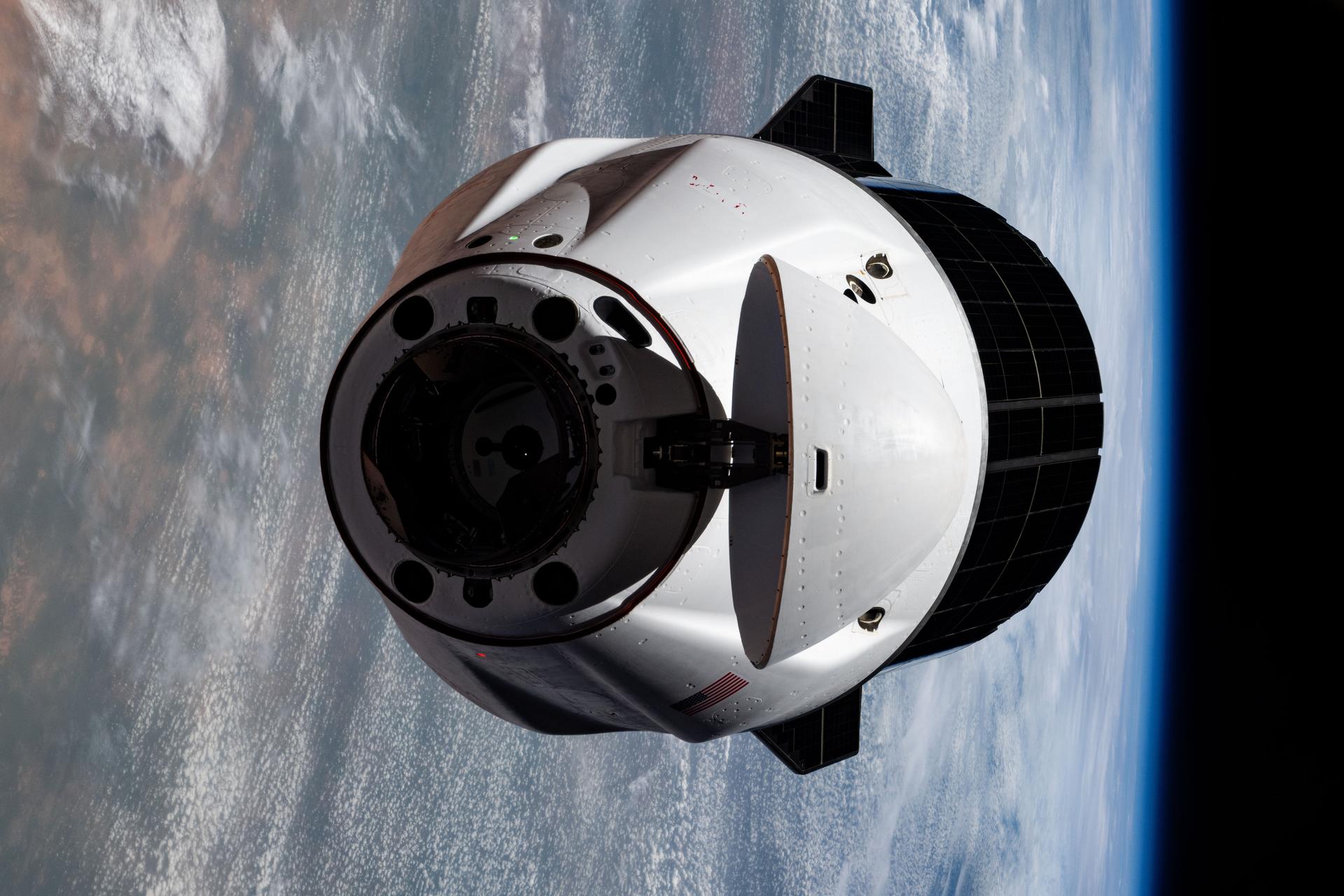
A SpaceX Dragon cargo spacecraft, loaded with roughly 6,500 pounds of supplies and experiments, is slated to launch atop a Falcon 9 rocket from Space Launch Complex 40 at Cape Canaveral Space Force Station in Florida. After reaching orbit, Dragon is expected to make an automated rendezvous with the space station, docking around 9:50 a.m. EDT on Thursday, May 14, at the forward-facing port of the Harmony module.
NASA will carry coverage of both the launch and the spacecraft’s arrival across several platforms, including NASA+, Amazon Prime, and the agency’s YouTube channel. The launch broadcast is scheduled to begin at 7 p.m. EDT, while arrival coverage is set to start at 8:20 a.m. EDT. NASA’s website will also provide live streaming and ongoing blog updates as major countdown and mission events unfold. Photos and on-demand video are expected to be posted on NASA+ soon after liftoff.
Beyond routine cargo, the mission is packed with new research aimed at improving scientific understanding and supporting future exploration. Among the investigations flying to orbit is a study that will test how accurately Earth-based simulators reproduce the conditions of microgravity, an effort that could refine how researchers prepare experiments on the ground. Another project will examine a bone scaffold made from wood, a novel approach that may contribute to future therapies for brittle-bone disorders, including osteoporosis. Dragon will also deliver equipment designed to assess changes in red blood cells and the spleen during spaceflight—work intended to help protect astronaut health on longer-duration missions.
The cargo manifest also includes a new instrument to measure charged particles surrounding Earth, a space environment factor known to affect satellites and even electrical power systems on the ground. Additional payloads include an investigation seeking deeper insight into the processes behind planetary formation, as well as an instrument built to take extremely precise readings of sunlight reflected by Earth and the Moon.
Dragon is expected to stay attached to the station until mid-June. When it departs, it will bring back time-sensitive research samples and other return cargo, then reenter Earth’s atmosphere and splash down in the Pacific Ocean off the coast of California.
Ahead of launch, NASA plans to host a prelaunch media teleconference at 11 a.m. EDT, with audio streamed live on YouTube. Reporters seeking to ask questions by phone are required to request dial-in details by 10 a.m. on May 11 via the NASA Kennedy newsroom email. NASA is also offering the public an option to register for a virtual guest experience, which includes mission updates, curated resources, and a virtual “stamp” for participants’ NASA guest passports after launch.