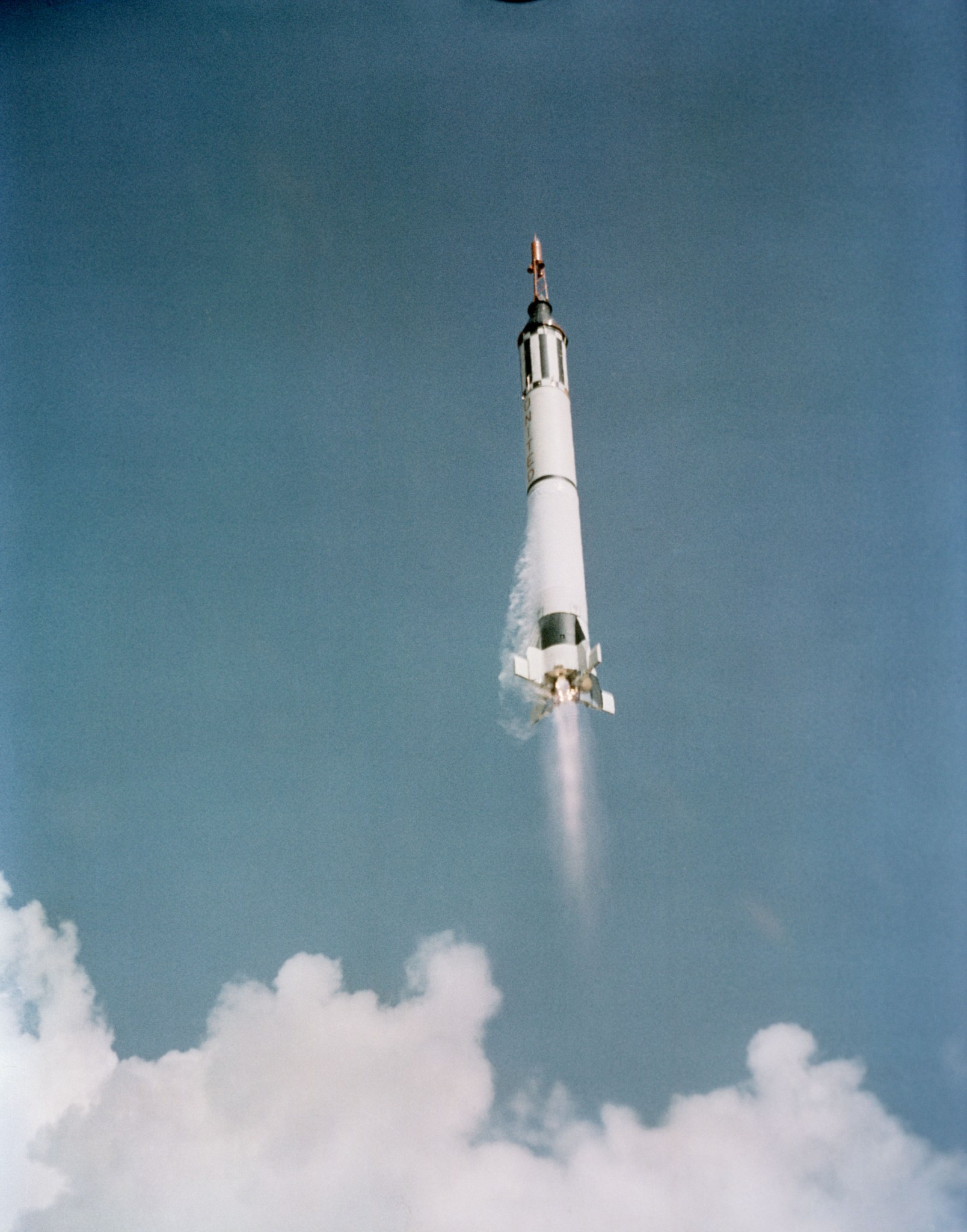
Just after sunrise on May 5, 1961, a Mercury-Redstone 3 rocket rose from Cape Canaveral, Florida, carrying astronaut Alan B. Shepard Jr. into the history books.
Just after sunrise on May 5, 1961, a Mercury-Redstone 3 rocket rose from Cape Canaveral, Florida, carrying astronaut Alan B. Shepard Jr. into the history books. In the tiny Freedom 7 capsule perched atop the booster, Shepard rode a 15-minute mission that arced above Earth’s atmosphere to a peak altitude of 116 miles (187 kilometers) before returning to splash down in the Atlantic Ocean.
By today’s standards, the flight was brief. Yet it represented a pivotal breakthrough: the first time an American traveled to space, and a moment that effectively launched the United States into the era of human spaceflight. That early suborbital hop proved the nation could send a person beyond the atmosphere and bring them back safely—an essential demonstration that helped set the stage for far more ambitious goals.
The achievement became the opening chapter of a rapid ascent. Within eight years of Shepard’s flight, the United States would place astronauts on the Moon, a transformation that began with the hard-won lessons of NASA’s earliest crewed programs. Project Mercury, which Freedom 7 was part of, focused on the fundamentals: getting a human into space, keeping them alive, maintaining spacecraft control, and ensuring a safe return to Earth. The successes and setbacks of those first missions forged the operational confidence and technical expertise that would underpin later lunar endeavors.
As the nation marks 65 years since Shepard’s pioneering launch, NASA is again pushing toward the Moon—this time with the Artemis program, which aims to return astronauts to the lunar surface and establish the groundwork for a sustained presence, including the foundations of a Moon base. The pace of Artemis planning and mission development has placed renewed attention on the agency’s origins, when each incremental step carried outsized significance.
The anniversary serves as a reminder that America’s human spaceflight legacy was built mission by mission, starting with daring tests of new rockets and unproven spacecraft. It also highlights how the spirit that defined Project Mercury—and the follow-on Project Gemini missions that expanded capabilities in spaceflight—continues to echo in NASA’s current push to extend human exploration beyond Earth. In that sense, Freedom 7’s short voyage remains more than a historic first; it is a reference point for an ongoing journey back to the Moon and onward.