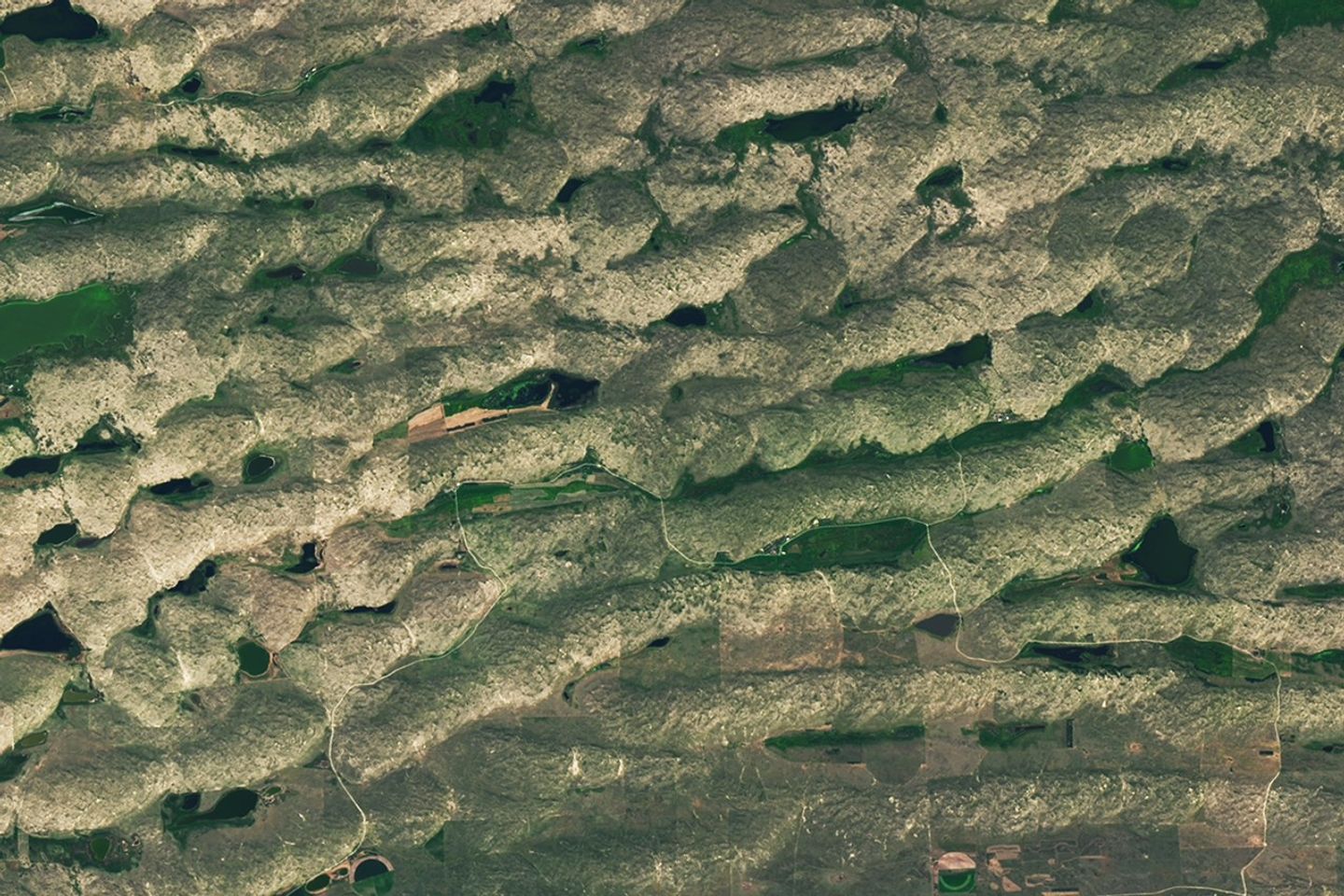
NASA’s Earth Observatory is once again inviting readers to put their detective skills to the test with its monthly “Satellite Puzzler,” a challenge built around a single, enigmatic view from space.
NASA’s Earth Observatory is once again inviting readers to put their detective skills to the test with its monthly “Satellite Puzzler,” a challenge built around a single, enigmatic view from space. The June 2026 edition features a satellite image that offers hints—through landforms, colors, textures, and patterns—but no caption revealing where on Earth it was taken.
The task is straightforward: identify the location shown in the image and explain the reasoning behind your guess. Participants are encouraged to share the visual clues that led them to a conclusion—whether that means distinctive geology, a recognizable coastline, an unusual human footprint on the landscape, or something subtler that only becomes apparent after careful zooming and comparison.
Responses should be submitted through NASA Earth Observatory’s online form, with “Puzzler Answer” selected as the topic. Contributors are asked to include a preferred name or alias. A simple location guess is welcome, but NASA also invites those with deeper remote-sensing knowledge to go further. Entrants can bolster their case by identifying the satellite and instrument that likely captured the scene, suggesting which spectral bands may have been combined to create the final image, or calling attention to less obvious features tied to the region’s geology or history.
The Earth Observatory team also welcomes personal connections. If the scene resembles a place a reader knows well—or if it sparks curiosity for any reason—participants are encouraged to say what makes the location noteworthy or meaningful to them.
As with previous puzzlers, there is no monetary reward. NASA is candid about that, noting it cannot offer cash prizes or a chance to see Earth from orbit firsthand. The incentive is recognition: the satisfaction of getting it right, and the “bragging rights” that come with a correct answer.
About a week after the challenge is posted, NASA Earth Observatory plans to reveal the solution by adding the answer to the top of the puzzler page. The reveal will also include a link to an Earth Observatory “Image of the Day” feature that provides additional context and scientific background explaining what the satellite captured and why the area looks the way it does. The first person to correctly identify the location will be acknowledged, and the editors may also spotlight particularly insightful submissions—even if they are not the earliest correct entry—when they include thoughtful observations or compelling supporting evidence.
By submitting an answer, participants agree that their comments may be edited for clarity, excerpted, and published on the Earth Observatory page.
For now, NASA’s message to readers is simple: take a close look, zoom in, follow the clues, and enjoy the process—then return for the official reveal.