A SpaceX Dragon capsule is set to splash down in the Pacific Ocean carrying what NASA describes as one of the most science-laden cargo returns yet from the International…
A SpaceX Dragon capsule is set to splash down in the Pacific Ocean carrying what NASA describes as one of the most science-laden cargo returns yet from the International Space Station, concluding the agency’s 34th Commercial Resupply Services mission. Packed inside are biological specimens, advanced materials, and flight-tested hardware that researchers will examine back on Earth—work aimed both at enabling human voyages beyond low Earth orbit and generating practical insights for medicine and technology on the ground.
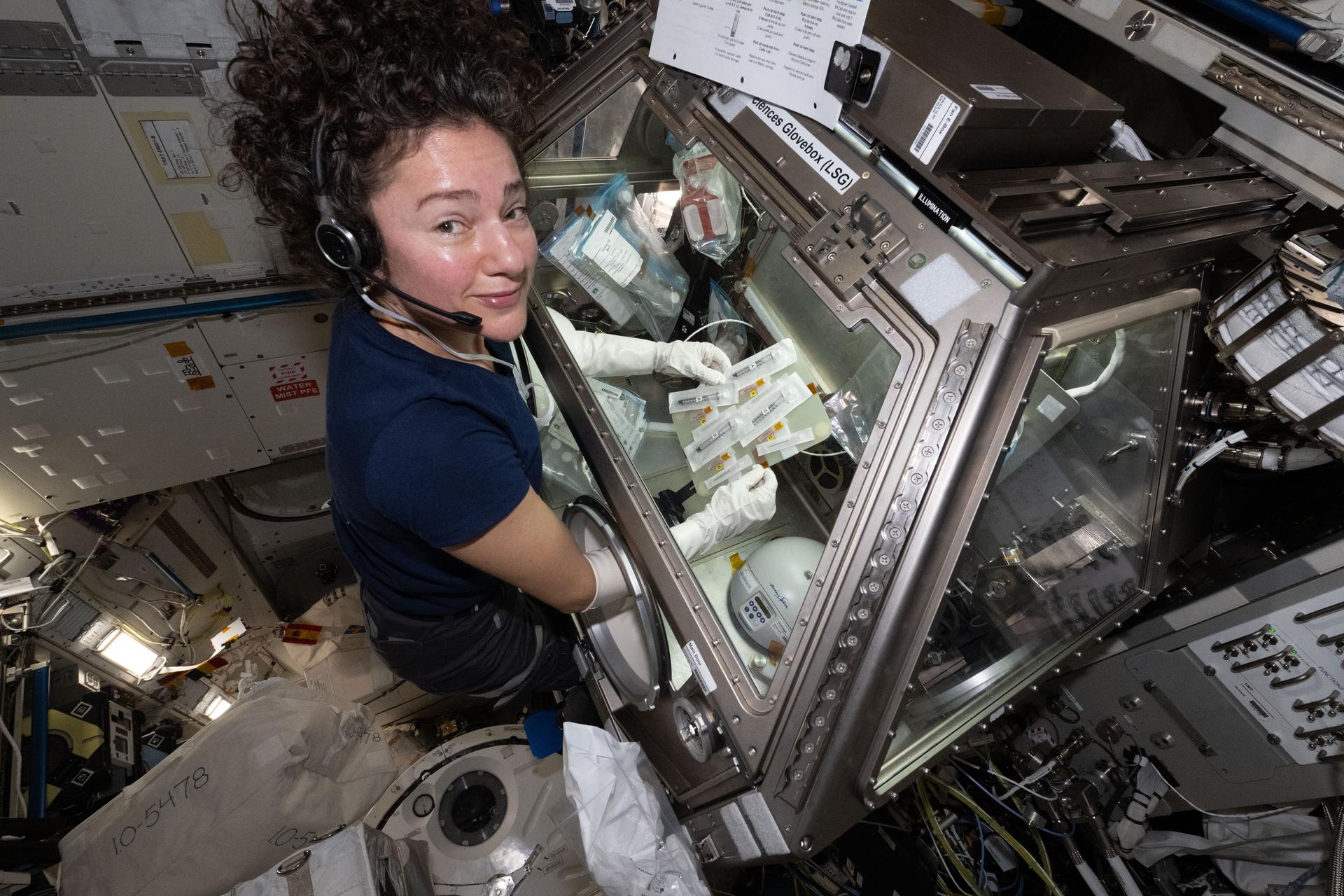
Among the most closely watched samples are those from NASA’s Hematopoietic Stem Cell Expansion in Space: Pathfinder Investigation, known as InSPA-StemCellEX-H2. The project is exploring whether microgravity can help overcome a key limitation of lab-grown blood stem cells: under normal Earth gravity, these cells often lose their capacity to develop into the broad range of blood cell types needed for therapies, including red and white blood cells used in treating certain cancers and blood disorders. Scientists suspect that spaceflight conditions may preserve this “multi-lineage” potential while also supporting the growth of stem cells in larger quantities. Once recovered, the returned samples will be analyzed to assess whether space-based production yields higher numbers of stem cells with properties that could be suitable for clinical applications.
Another set of returning specimens comes from an experiment probing the link between respiratory infection and cardiovascular damage. In NASA’s Streptococcus pneumoniae (Spn) Infection of Cardiac Tissue investigation—also called MVP Cell-09—researchers used stem cell-derived heart tissue and deliberately exposed it to a bacterium known to cause pneumonia. Pneumonia is associated with increased risk of heart disease, but the biological pathways behind that connection remain unclear. Because microbes can become more active and potentially more virulent in microgravity, the space station setting may intensify effects and reveal cellular responses that are difficult or impossible to detect in terrestrial labs.
Dragon is also bringing back materials from Megakaryocyte Flying-One (MeF1), an investigation focused on megakaryocytes—large bone marrow cells responsible for producing platelets. Platelets are essential for clot formation and play roles in immune function. By examining MeF1 samples, including specimens collected from astronauts, scientists hope to better understand how platelet biology and immune responses shift during spaceflight, knowledge that could inform health protections for crews on future deep-space missions.
Not all of the cargo is biological. Cryogenic propellants, widely used for spacecraft propulsion, are notoriously hard to store for long periods because heat fluctuations can cause super-cold fuels to slowly vaporize and escape, undermining efficiency and complicating mission design. NASA’s Zero Boil-Off Tank Noncondensables (ZBOT-NC) study examines how gases that resist condensation at low temperatures influence pressure control and fluid behavior in propellant tanks. Returning hardware—including data drives containing fluid-physics measurements—will help validate models and guide improved storage strategies for extended missions.
Materials science samples are returning as well from the SUBSA-InSPA-SSCug investigation, which produced semimetal–semiconductor composite bulk crystals in microgravity. Such crystals are used in electronics, including sensors and lasers, and researchers anticipate that the space environment may enable larger, higher-quality crystal growth than Earth-bound methods—potentially supporting next-generation semiconductor development.
In biomedical technology, NASA’s DNA Nano Therapeutics-3 is receiving tiny, space-assembled DNA-inspired structures combined with medicines to create active cancer treatments. Manufacturing these therapeutic materials in microgravity is expected to enhance performance in the body—helping drugs reach tumors more effectively, remain active longer, and release medicine in improved ways.
Also returning are tissue models—including brain, heart, liver, and kidney constructs—that were used to test novel RNA-based approaches, with postflight analysis expected to add to the growing body of evidence on how complex human tissues respond to microgravity.