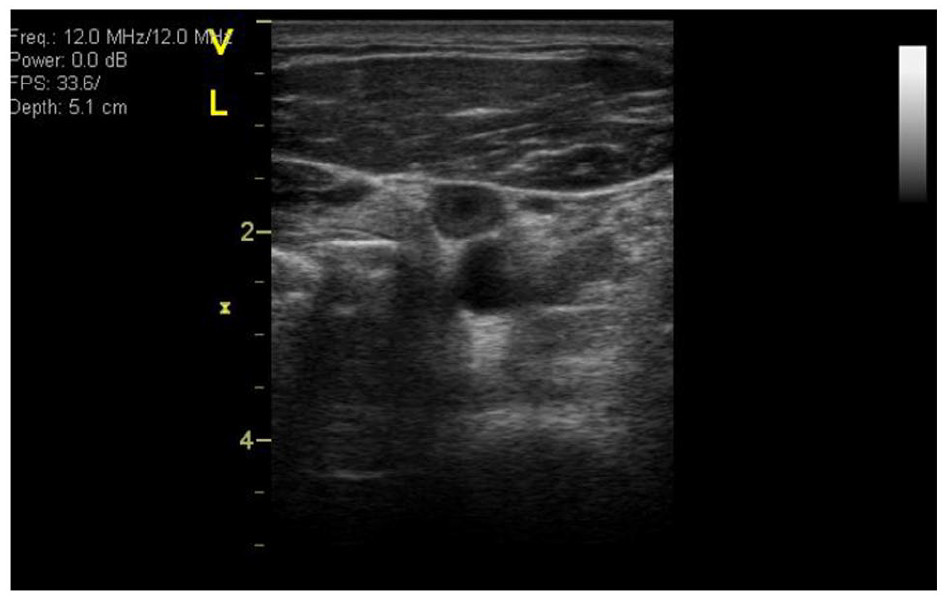
NASA is moving to formalize how it evaluates and reduces the danger of venous thromboembolism VTE —a condition that includes blood clots in the veins—among astronauts on…
NASA is moving to formalize how it evaluates and reduces the danger of venous thromboembolism (VTE)—a condition that includes blood clots in the veins—among astronauts on space missions, after recent medical findings renewed concern about clot risk in microgravity.
In April 2026, NASA’s Office of the Chief Health and Medical Officer (OCHMO) convened a dedicated working group to reassess the agency’s latest VTE case information and incorporate additional medical data that point to changes in blood-flow behavior within a group of astronauts. The team’s assignment was not only to review what has been learned from these cases and new physiological measurements, but also to evaluate the status of ongoing research and clinical activities intended to prevent clots during spaceflight. The ultimate goal, NASA said, is to translate the growing evidence base into updated clinical practice recommendations that can be applied consistently across missions.
The April 2026 effort builds on an earlier response launched after VTE events were identified during International Space Station (ISS) expeditions. NASA first assembled a VTE working group in October 2024, following diagnoses of venous thromboembolisms in astronauts while they were on ISS missions. That initial panel brought together relevant experts to analyze the clinical details of the cases, revise existing Clinical Practice Guidelines in light of the new risk signal, and explore potential contributing factors that could explain why clots might form or be detected in orbit.
A major theme in NASA’s approach is the need for rapid, mission-focused health assessment. The agency frames these reviews as “mission-enabling,” emphasizing that quick, well-supported medical decisions are essential for maintaining operational capability and protecting crews—particularly as human spaceflight plans extend in duration and distance. In practice, that means turning clinical observations and research findings into actionable protocols that can be used by flight surgeons and medical teams to assess risk, intervene early, and set requirements for safe participation in future missions.
NASA’s standards infrastructure is intended to make those protocols durable and consistent. The agency notes that its technical standards establish medical requirements and clinical procedures aimed at protecting astronaut health and safety while also supporting “occupational longevity”—a recognition that medical decisions today can affect an astronaut’s ability to safely fly again later.
Supporting this effort is NASA’s Human Spaceflight & Aviation Standards Team, which the agency describes as continuously coordinating with individual programs and subject matter experts. Their role is to ensure that standards, along with the documentation needed to implement them, keep pace with emerging evidence and operational realities.
By convening the April 2026 working group with updated case reviews and new blood-flow data, NASA is signaling that VTE prevention is becoming a more structured component of space medicine—one that relies on systematic risk assessment and evolving, evidence-based guidance rather than ad hoc responses to isolated medical events.