NASA’s experimental X-59 has crossed a pivotal threshold: the aircraft has flown supersonic for the first time, a step that moves the agency closer to proving it can…
NASA’s experimental X-59 has crossed a pivotal threshold: the aircraft has flown supersonic for the first time, a step that moves the agency closer to proving it can travel faster than sound without producing the disruptive boom traditionally associated with such flights.
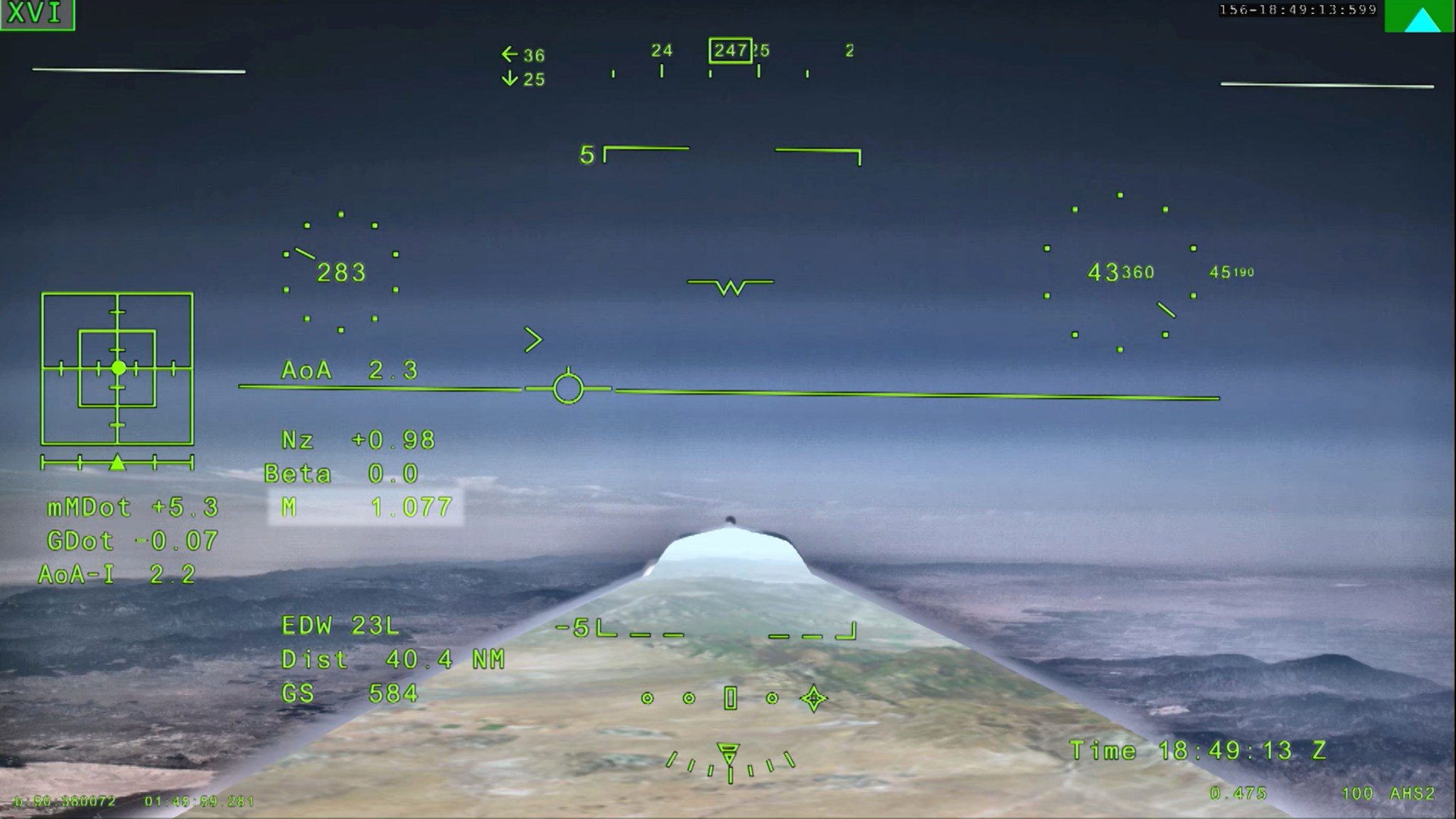
The milestone came Friday, June 5, during an 81-minute test flight out of Edwards Air Force Base in California. NASA test pilot Jim “Clue” Less took off at 11:08 a.m. PDT and later returned to Edwards after guiding the sleek research jet to about Mach 1.1—roughly 713 mph—at a peak altitude of 43,400 feet. Engineers used the sortie to assess handling and performance first in subsonic flight and then after pushing through the sound barrier.
The X-59 is being built to replace the sharp crack of a sonic boom with a far softer “thump,” a signature NASA hopes could eventually make overland supersonic passenger travel acceptable under future noise rules. For this inaugural supersonic run, the aircraft flew with support from a NASA F-15 acting as a chase plane, a standard practice in flight testing that allows real-time observation. The louder booms generated by the F-15 prevented any clean assessment of what the X-59 sounded like from the ground during this particular flight.
NASA Administrator Jared Isaacman said the program has accelerated rapidly since the X-59’s first flight on Oct. 28, 2025. In the last 90 days alone, the team has logged 16 flights, establishing a consistent testing cadence. Isaacman added that the next near-term target is to push the aircraft to about Mach 1.4 and thanked both NASA personnel and Lockheed Martin’s Skunk Works for their role in reaching this point, expressing hope for more collaboration as NASA rebuilds its X-plane lineup.
The White House Office of Science and Technology Policy also highlighted the achievement. Michael Kratsios, the Assistant to the President for Science and Technology and OSTP Director, called the first supersonic flight a marker of U.S. leadership in science and aerospace, linking it to the Trump Administration’s interest in expanding the possibilities for supersonic travel.
Even with the sound barrier now behind it, NASA says an even more consequential test is close at hand. Within days, the X-59 is expected to conduct its first “mission conditions” flight—its planned operational regime for later community overflights—aiming for a cruising speed of Mach 1.4 (about 925 mph) and an altitude near 55,000 feet. A chase aircraft will again accompany the jet.
Those speed-and-altitude conditions underpin the broader Quesst mission, in which NASA plans to fly the X-59 over multiple U.S. communities to collect data on how people perceive its reduced noise signature. The agency intends to deliver those findings to U.S. and international regulators, supporting the development of new, evidence-based noise standards that could open a pathway to commercially viable supersonic flight over land.
The program is currently in the early phase of flight testing known as envelope expansion, where pilots and engineers methodically explore a wide range of speeds and altitudes to confirm performance and handling. Once that stage is complete, testing will shift toward detailed measurement of the X-59’s acoustic footprint to verify that its design delivers the promised quiet “thump.”
Beyond the single aircraft, NASA expects the work to yield practical tools and validated technologies for industry—methods and design confidence that could help U.S. manufacturers develop future quiet supersonic airliners capable of high speed without unduly disturbing communities below.