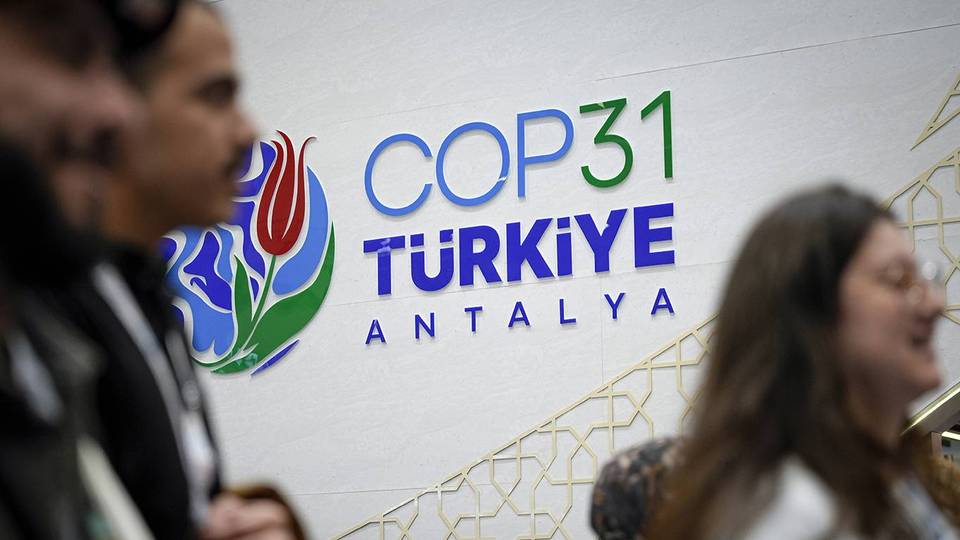
COP31 has opened in Antalya with a focus on turning climate pledges into action, as delegates confront persistent gaps in national capacity, enforcement and finance.
Delegates from around the world have gathered in Antalya, Turkey, for the United Nations Climate Change Conference known as COP31, which has now begun. The meeting opens under an official banner—“Driving Implementation through Cooperation and Collective Action”—that signals an ambition to push beyond declarations and toward delivery.
That goal, however, immediately runs into a recurring problem that has shadowed previous climate summits: the gap between what governments have promised and what they can actually execute. Year after year, negotiations produce targets, frameworks, and pledges intended to cut emissions, strengthen resilience, and mobilize finance. Yet converting those agreements into measurable changes on the ground remains difficult, especially when domestic institutions lack the capacity to design policy, enforce regulations, and build the infrastructure required for a low-carbon transition.
As COP31 gets underway, the central test for participants is not whether climate commitments will be reaffirmed—most are already well established—but whether countries can build the practical mechanisms that make those commitments real. The conference theme places emphasis on cooperation and collective action, highlighting the role of coordination across borders, sectors, and levels of government. Still, the durability of any global consensus depends on the ability of individual states to implement what they sign up to, from energy and transport reforms to land-use rules and industrial standards.
Antalya’s discussions are expected to revisit familiar questions about how to accelerate implementation. That includes how to translate international agreements into national plans, how to measure progress credibly, and how to ensure that financing and technical support reach places where administrative capacity is limited. For many governments, the constraint is not a lack of stated ambition but the challenge of building capable institutions that can manage complex transitions while maintaining public trust and economic stability.
The conference’s opening also underscores a broader reality in climate governance: the effectiveness of international cooperation is ultimately anchored in national execution. Even the strongest multilateral language cannot substitute for the practical work of legislating, budgeting, regulating, and delivering projects—tasks that rely on functional public administration and political durability at home.
Why it matters
COP31’s emphasis on implementation reflects growing recognition that pledges alone will not cut emissions or reduce climate risks. Communities and businesses are affected when plans stall due to weak capacity, delayed investment, or uneven enforcement. The key question to watch is whether discussions in Antalya translate into concrete support and tools that help countries turn commitments into action.