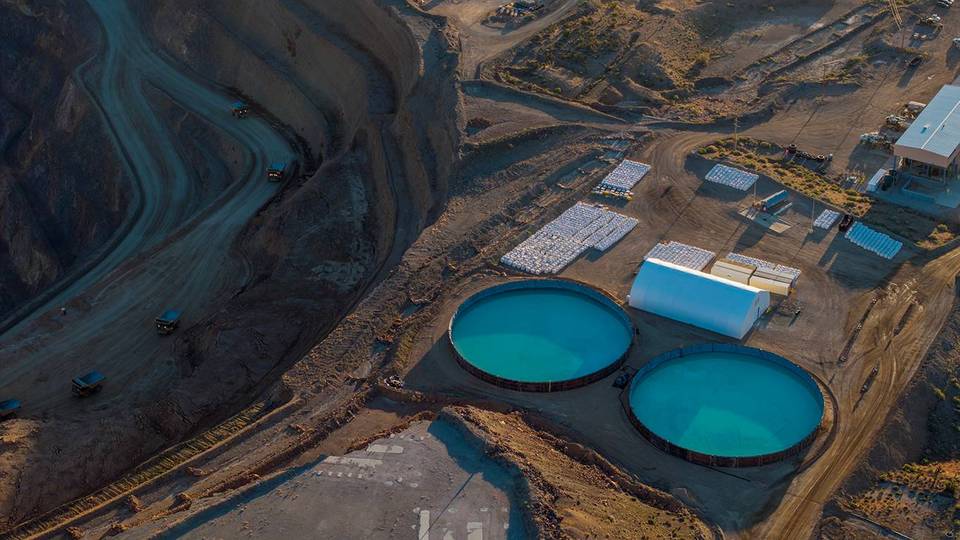
A proposed framework would map strategic supply-chain vulnerabilities, use markets and procurement to price resilience, and reserve security intervention for failures in pricing risk.
If companies and governments decide that sturdier, more resilient supply chains are worth paying for, a basic question follows: who absorbs the added cost? A practical answer, increasingly discussed in policy and business circles, is to let the price of resilience emerge through a structured process—one that starts with a hard look at where supply chains are fragile, relies on markets and procurement to assign a cost to those weaknesses, and turns to national-security intervention only when normal pricing mechanisms don’t work.
The logic is straightforward. Modern supply chains are built to be efficient, but efficiency often depends on concentration: a small number of suppliers, routes, countries, or firms provide critical inputs. That can lower costs in normal times, yet it also creates choke points that become painfully visible during wars, pandemics, natural disasters, sanctions, or sudden export controls. Mapping these vulnerabilities is the first step toward understanding whether resilience can be bought—and at what price.
A useful starting point is an inventory of dependencies that matter strategically: key raw materials, components, logistics corridors, and specialized manufacturing capacity that cannot be easily replaced. The goal is to identify where disruptions would cause outsized damage, how quickly alternatives could be brought online, and which risks are systemic rather than firm-specific. This is not simply a corporate exercise; many risks sit at the intersection of private optimization and public exposure, particularly when the disrupted goods are essential to critical infrastructure or defense capabilities.
Once vulnerabilities are identified, the next stage is to allow markets and public tenders to put numbers on them. In competitive markets, buyers can demand redundancy, diversification, buffer inventories, or localized production—and suppliers will quote higher prices to deliver those attributes. Governments can do something similar through procurement rules that reward resilience, such as requirements for multiple sources, domestic capacity, or demonstrable continuity plans. In this framework, resilience becomes an explicit feature that can be compared, purchased, and audited—rather than an abstract aspiration.
But markets do not always price risk well, especially when the costs of a breakdown spill across society. Some disruptions resemble national emergencies: the harm is widespread, the timing unpredictable, and private actors may underinvest in prevention because they cannot capture the full benefit. That is where the third stage comes in. National-security authorities should intervene only when market pricing fails—when critical dependencies remain underprotected despite clear strategic risk, or when coordination problems prevent firms from acting even if they understand the danger. Targeted measures might include strategic stockpiles, support for domestic production in narrow categories, or restrictions designed to reduce exposure to hostile leverage.
History offers a cautionary tale about trying to engineer supply independence without regard to real-world constraints. In 1927, Henry Ford attempted to escape the rubber monopolies dominated by Dutch and British interests by buying a vast 2.5-million-acre tract along Brazil’s Tapajós River. The project, later known as Fordlândia, was meant to secure a reliable rubber supply for Ford’s growing automotive empire. Instead, the plantation failed to produce rubber at meaningful scale and was ultimately sold back—at a loss—underscoring how difficult it can be to substitute for established supply networks through sheer ambition.
The broader lesson is not that resilience is impossible, but that it is costly, complex, and easiest to achieve when the incentives are clear. A disciplined sequence—measure vulnerabilities, let markets and procurement price solutions, and reserve state power for genuine market failures—offers a way to determine who pays, how much, and for what kind of security.
Why it matters
Supply-chain disruptions can raise prices, halt production, and weaken national security, affecting consumers, businesses, and governments alike. How resilience is funded will shape everything from corporate sourcing decisions to public spending priorities. Watch for new procurement standards and risk-reporting requirements that make resilience a purchasable attribute—and for cases where governments step in when markets can’t or won’t cover strategic gaps.