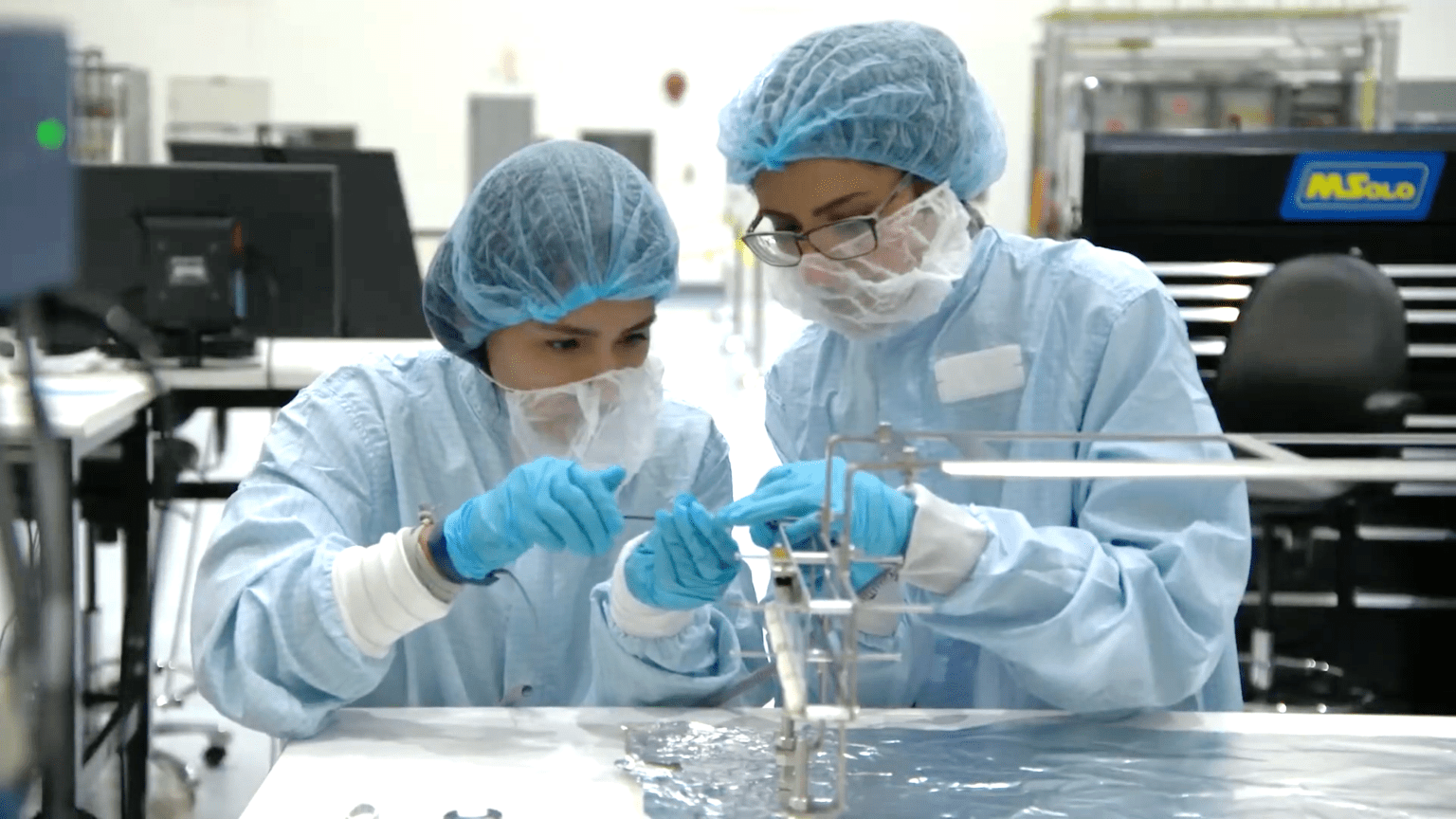
NASA has opened a new competitive funding call designed to speed up university-led research and technology development tied to the agency’s exploration agenda.
NASA has opened a new competitive funding call designed to speed up university-led research and technology development tied to the agency’s exploration agenda. The application period for the Minority University Research and Education Project’s Space Technology Artemis Research initiative—known as M‑STAR—began Thursday and will accept proposals until 11:59 p.m. EDT on Tuesday, Aug. 11.
The program is structured to advance NASA’s near- and long-term technology needs as the agency prepares for expanded operations beyond Earth. Projects supported through M‑STAR are intended to align with priorities for returning to the Moon, pushing on toward Mars, and conducting missions deeper into space. At the same time, the opportunity is built to strengthen the research base at eligible institutions, helping them play a larger role in the next era of space exploration.
Beyond delivering technical progress, NASA is positioning M‑STAR as a capacity-building effort. Participating institutions are encouraged to use the awards to broaden their scientific and engineering infrastructure and deepen involvement in aerospace research across campus. The initiative also emphasizes expanding opportunities for faculty and students—bringing more researchers into NASA-relevant work and helping develop experience that can translate into future careers in the aerospace sector.
Another stated goal is to improve the long-term competitiveness of these universities for subsequent funding, including both federal research programs and awards supported by commercial partners. By supporting research activity now and strengthening institutional capabilities, NASA aims to increase the ability of recipient schools to compete effectively for future opportunities as the space economy continues to grow.
M‑STAR is administered by NASA’s Office of STEM Engagement, which manages programs intended to connect education, industry, and government partners in ways that build a robust pipeline of skilled talent. In NASA’s framing, developing breakthrough technologies and developing the workforce to carry them forward are intertwined priorities—particularly as mission timelines accelerate and the range of partners involved in spaceflight expands.
The initiative also contributes to the work of NASA’s Space Technology Mission Directorate. That directorate is responsible for maturing and demonstrating new space technologies that can be adopted across NASA missions, with the broader aim of improving space transportation systems, enabling human exploration, expanding robotic science and discovery capabilities, and supporting the evolving commercial space marketplace. NASA describes these investments as essential to maintaining U.S. leadership in aerospace.
Together, the Office of STEM Engagement and the Space Technology Mission Directorate are using M‑STAR to link cutting-edge research with workforce development, aligning technology innovation with the people and institutions needed to move it from laboratory ideas to mission-ready capability.
NASA directs prospective applicants to its M‑STAR resources online for full eligibility requirements, registration for help sessions, and proposal submission instructions.