NASA is set to brief reporters next week on a robotic mission designed to give new life to one of its longest-running space observatories.
NASA is set to brief reporters next week on a robotic mission designed to give new life to one of its longest-running space observatories. The agency will hold an audio-only media teleconference at 11 a.m. EDT on Wednesday, June 17, to outline the upcoming Katalyst Space mission, which aims to raise the orbit of NASA’s Neil Gehrels Swift Observatory and extend its ability to conduct science.
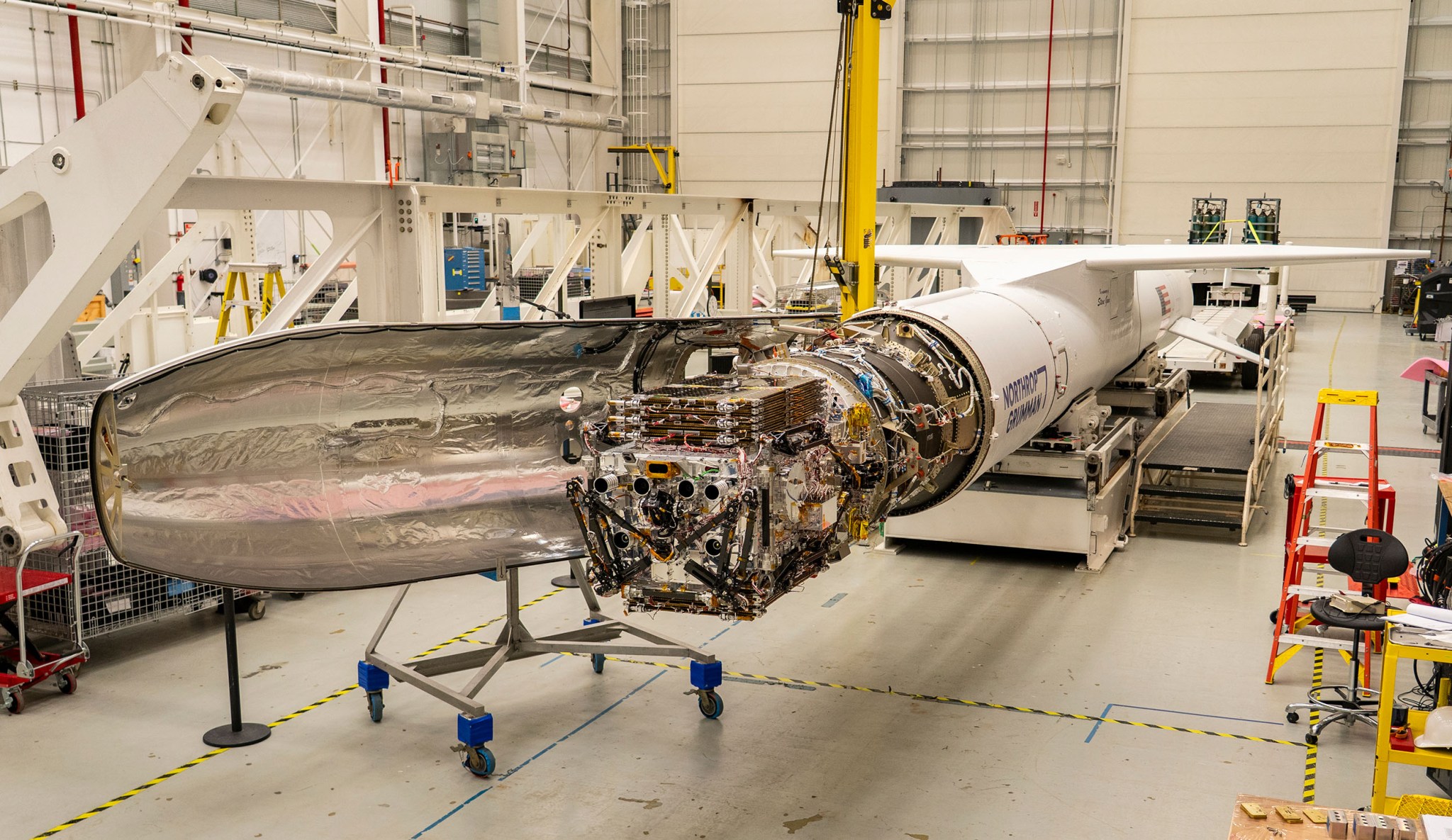
At the center of the effort is Katalyst’s servicing spacecraft, known as LINK. The vehicle is built to autonomously meet up with Swift in low Earth orbit and increase the observatory’s altitude. If successful, the maneuver would slow Swift’s orbital decay and keep the spacecraft operating longer, while also demonstrating technology NASA views as increasingly important for future exploration: the ability to service satellites robotically after launch rather than retiring them when their orbits or systems degrade.
LINK is scheduled to lift off later this month aboard Northrop Grumman’s Pegasus XL rocket. The launch is targeted from Kwajalein Atoll in the Marshall Islands, a remote Pacific site used for certain specialized missions.
NASA said journalists who want to join the teleconference by phone must RSVP at least two hours before the event by contacting Amy Barra at amy.l.barra@nasa.gov. The agency will also stream the audio of the call on its website. Details on NASA’s media accreditation requirements are available online.
Swift, launched in 2004, has become a cornerstone of high-energy astrophysics. The observatory leads NASA’s collection of telescopes dedicated to tracking dynamic, violent phenomena, including gamma-ray bursts—brief, extraordinarily energetic explosions that rank among the most powerful events known in the universe. Beyond its own observations, Swift plays a rapid-response role for the broader astronomy community. When it detects a sudden transient event, the spacecraft quickly relays position and timing information so other missions can follow up, much like a dispatcher directing first responders to a developing emergency.
After more than two decades in orbit, however, Swift is facing a growing threat from above: heightened solar activity. Increased activity from the Sun can expand Earth’s upper atmosphere, boosting drag on satellites in low Earth orbit and causing their paths to decay more quickly. NASA says Swift’s orbit is now dropping at an accelerated pace as a result.
Many spacecraft nearing the end of their orbital lives are ultimately guided into re-entry over time. Instead, NASA is using Swift’s situation as a testbed for advancing U.S. capabilities in on-orbit servicing. In September 2025, the agency awarded Katalyst a contract to prepare a robotic mission for Swift on an unusually fast timeline—less than a year from award to mission readiness. The plan is for LINK to rendezvous with Swift and raise it to a higher orbit, keeping the observatory in service longer while proving techniques that could be applied to other satellites in the future.
More information about the Swift orbit-boost effort is available at https://science.nasa.gov/mission/swift/swift-boost-mission/.