NASA is calling on U.S.
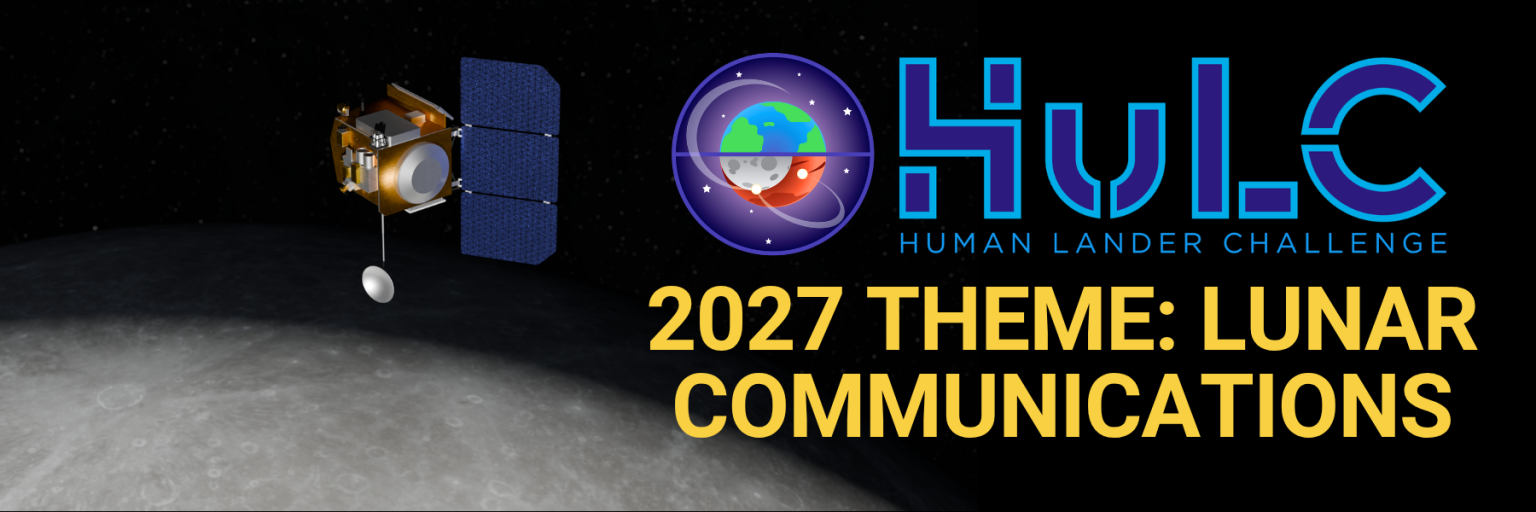
NASA is calling on U.S. college and university students to help solve a problem that will shape the next era of lunar exploration: how to keep people and machines reliably connected on and around the Moon.
The agency has opened its 2027 Human Lander Challenge to collegiate teams, asking them to propose communications concepts that can support sustained surface operations as NASA advances the Artemis program and broader Moon Base ambitions. The premise is straightforward—without robust links between astronauts, vehicles, habitats, landers, and flight controllers on Earth, even well-designed spacecraft and rockets cannot deliver safe, efficient long-duration missions.
NASA officials emphasize that the Moon’s extreme conditions and distance from Earth make dependable communications more than a convenience. They are central to astronaut safety, coordination of complex activities, and fast decision-making when conditions change. A resilient architecture would be expected to connect crews with rovers and other surface assets, integrate with lunar landers and habitats, and maintain effective ties with mission support teams back on Earth.
“Reliable communications will be at the heart of our ability to explore and operate on the Moon,” said Jeremy Del Greco, communications integration lead for NASA’s Human Landing System program at the Marshall Space Flight Center in Huntsville, Alabama. As Artemis and Moon Base efforts push human activity farther from Earth, he said, the agency will need dependable connectivity across the lunar surface and beyond—and the student competition is designed to help influence the next generation of those capabilities.
The challenge asks teams to develop innovative, systems-level approaches that help NASA better understand, establish, and optimize lunar communications for landers and surface operations. NASA is looking for concepts that could realistically be put into practice on a three-to-five-year timeline. While the agency has outlined three primary focus areas for proposals, it is also allowing teams to submit ideas outside those topics.
The competition timeline begins with a non-binding notice of intent, due Thursday, Oct. 15, for teams planning to participate. Full submissions are due March 4, 2027, and must include a proposal package featuring a five-to-seven-page written proposal along with a two-minute video.
After the first evaluation phase, NASA expects to select up to 12 finalist teams. Each finalist will receive 18,000 in prizes.
The Human Lander Challenge is administered for NASA by the National Institute of Aerospace. It is sponsored by the agency’s Human Spaceflight Mission Directorate through the Human Landing System Program Office, and it is part of NASA’s broader effort to cultivate new ideas that can support long-duration human spaceflight at the Moon.
Through Artemis, NASA aims to return astronauts to the lunar surface to drive scientific discovery and economic opportunities, while building experience and infrastructure intended to support the first crewed missions to Mars. More details about the Human Lander Challenge and participation requirements are available through NASA’s program information site.