NASA will broadcast Northrop Grumman’s CRS-25 cargo mission to the ISS, launching a Cygnus XL on a SpaceX Falcon 9 with about 11,000 pounds of supplies and experiments.
NASA is preparing to broadcast the next U.S. cargo run to the International Space Station, a mission that will ferry new science experiments alongside routine supplies and hardware for the orbiting laboratory. The launch—carried out under NASA’s Commercial Resupply Services program—is currently scheduled for no earlier than 10:47 a.m. EST on Sunday, Nov. 29.
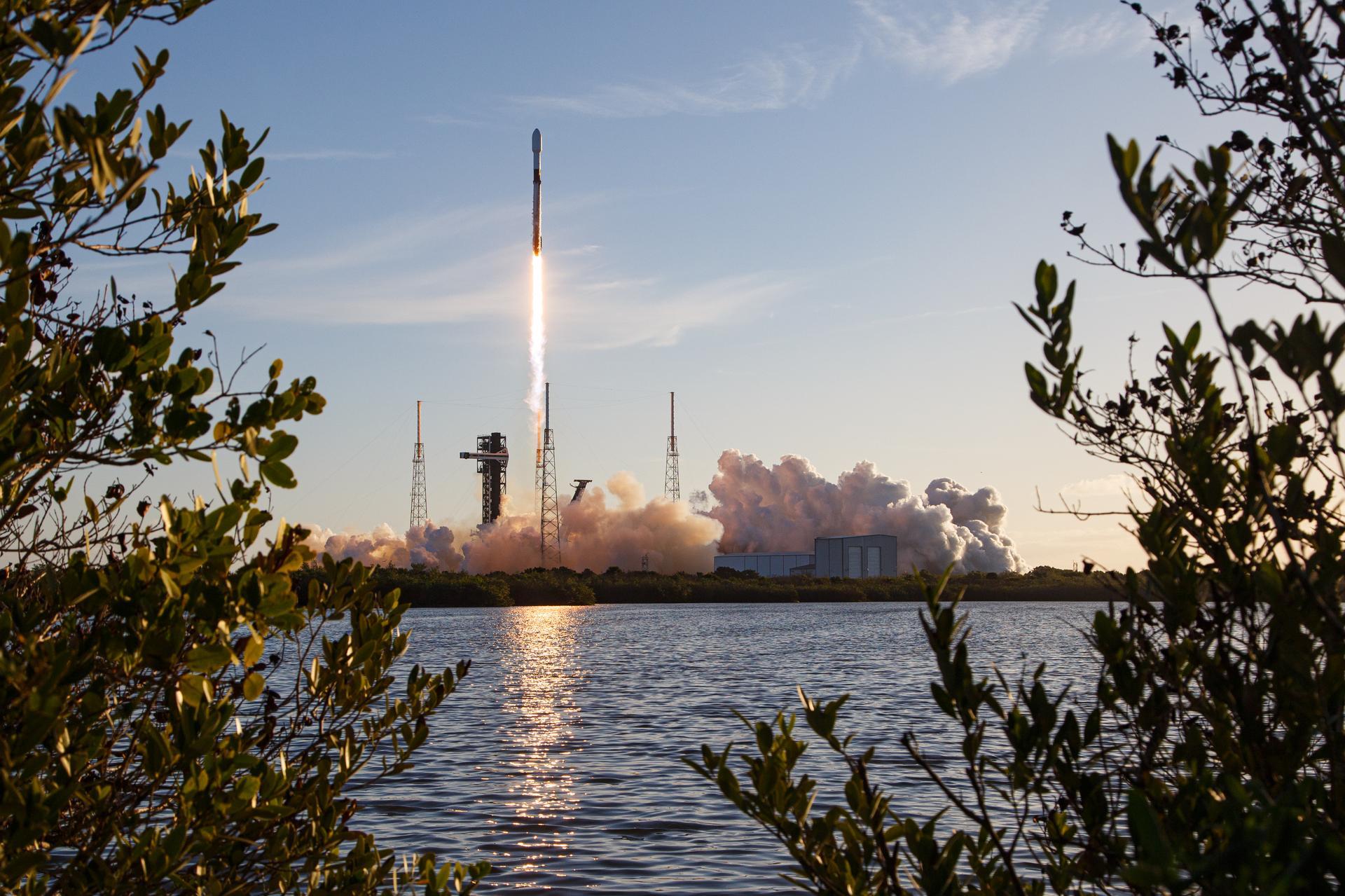
The flight, designated Northrop Grumman CRS-25, will send a Northrop Grumman Cygnus XL spacecraft to orbit atop a SpaceX Falcon 9 rocket. Liftoff is planned from Space Launch Complex 40 at Cape Canaveral Space Force Station in Florida. NASA says the spacecraft is packed with roughly 11,000 pounds of cargo destined for station crews.
In the days ahead of launch, the agency will host a prelaunch media teleconference at 12 p.m. on Monday, Nov. 23, streamed on NASA’s YouTube channel. Reporters who want to join must request call-in information from the NASA Johnson Space Center newsroom by 11 a.m. that day via jsccommu@mail.nasa.gov or 281-483-5111, and must dial in at least 10 minutes before the briefing begins. NASA notes that its media credentialing policy is available online, and that additional updates will be posted to the agency’s space station blog.
NASA’s live launch coverage will be available across multiple platforms, with streaming and blog updates starting no earlier than 10 a.m. on Nov. 29 as countdown events unfold. The agency also plans to publish photos and on-demand video on NASA+ shortly after liftoff. Questions about countdown coverage can be directed to NASA’s Kennedy Space Center newsroom at 321-867-2468.
After Cygnus reaches the station, the plan calls for NASA astronauts Jessica Watkins and Luke Delaney—both working aboard the ISS—to capture the arriving spacecraft using the Canadarm2 robotic arm on Tuesday, Dec. 1. Ground teams will then oversee installation of the vehicle to the Earth-facing port of the Unity module so crews can begin unloading cargo.
Among the payloads heading to the station are research and technology demonstrations aimed at improving drug delivery for diseases including cancer and osteoarthritis, developing tools to forecast how cancers spread, and advancing potential therapies for muscle loss. The shipment also includes work to refine radiation sensing and to push forward food-production capabilities needed for future long-duration human missions.
NASA expects the Cygnus XL spacecraft to remain at the ISS until May 2027. At the end of its stay, it will depart carrying several thousand pounds of trash and unneeded equipment, then burn up safely during atmospheric re-entry.
Northrop Grumman has named this Cygnus vehicle the S.S. James “Jim” A. Lovell, honoring the veteran NASA astronaut who flew four missions: Gemini VII, Gemini XII, Apollo 8, and Apollo 13.
Members of the public can sign up to follow the launch through NASA’s virtual guest program, which offers mission resources, notifications about schedule changes and related opportunities, and a commemorative “stamp” for a virtual guest passport after launch. NASA will also share updates through its social media accounts, including @NASA, @NASAKennedy, @NASASpaceOps, @Space_Station, and @ISS.
Why it matters
Cargo flights like CRS-25 keep the space station supplied while delivering the experiments that drive research in microgravity—work that can influence future medical treatments and technologies for deep-space exploration. The mission also underscores the increasingly interdependent roles of NASA, Northrop Grumman, and SpaceX in U.S. space logistics. Watch next for any schedule shifts, as launch timing can change due to weather, range availability, or spacecraft readiness.