NASA is ramping up efforts to predict individual astronaut health changes in deep space, using organ-on-a-chip “avatars” and digital twins. A new challenge targets bone marrow and immune modeling.
NASA’s Space Biology Program, part of the agency’s Biological and Physical Sciences (BPS) Division, is intensifying its focus on a central challenge of deep-space exploration: predicting how human biology changes under the unusual conditions beyond low Earth orbit. Researchers in the program study living systems at every level—from molecules and cells to tissues and whole organisms—to better understand how spaceflight stressors such as microgravity, ionizing radiation, reduced magnetic fields, and elevated carbon dioxide can alter health.
That push is becoming more urgent as NASA plans missions that will keep crews far from Earth for longer periods, where medical support is limited and delays in communications complicate care. The agency is increasingly emphasizing personalized, data-driven strategies designed to protect each astronaut, rather than relying solely on population-wide averages.
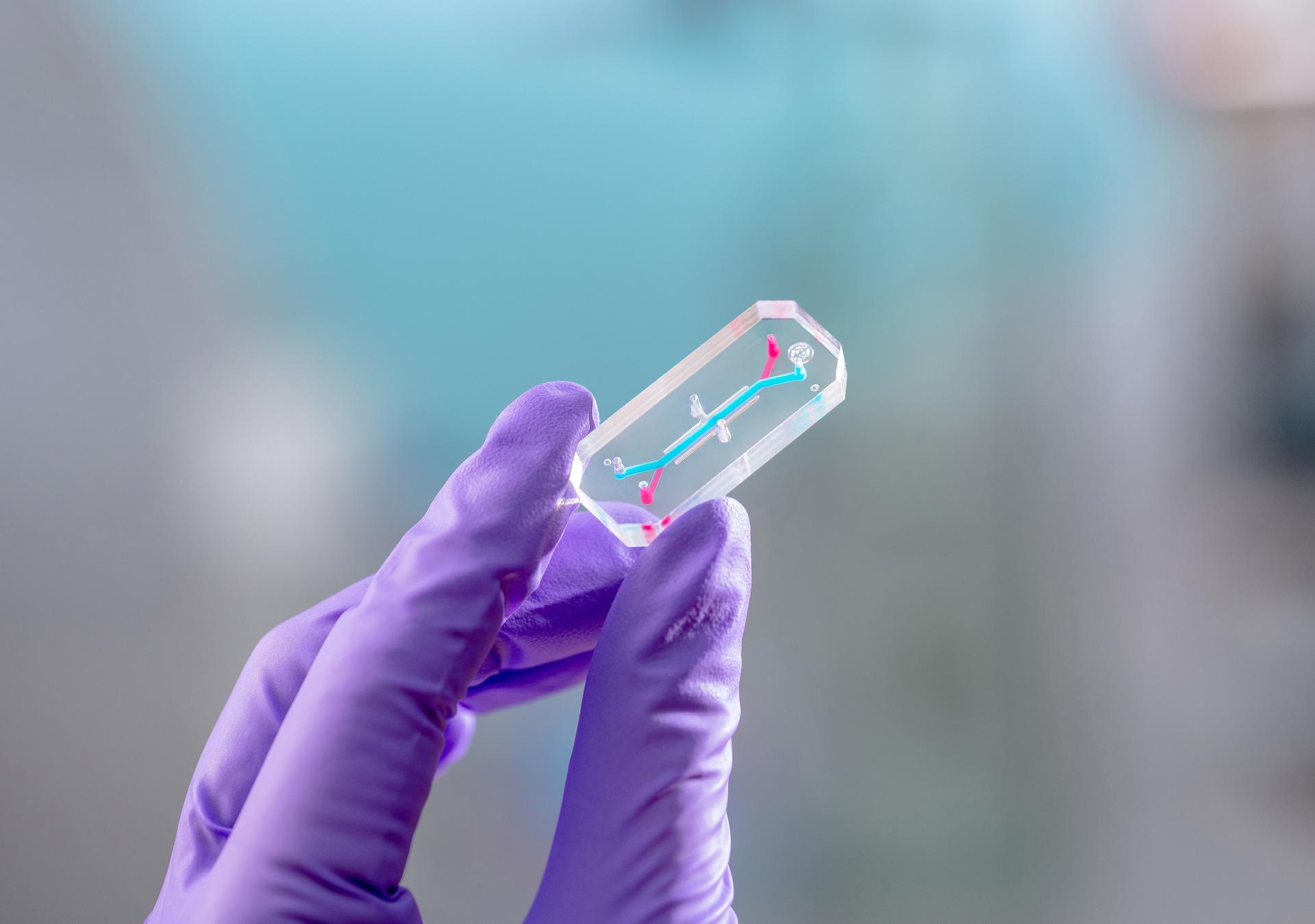
A key proof-of-concept arrived with AVATAR, short for A Virtual Astronaut Tissue Analog Response. The original AVATAR investigation, flown on the Artemis II mission, demonstrated a new kind of astronaut “stand-in”: organ-on-a-chip devices built from cells taken from the actual crew members. Those chips returned to Earth following a 10-day lunar flyby, which concluded with the mission’s return on April 10, 2026. NASA describes the work as the first Artemis-era demonstration of an astronaut analog that uses organ-on-a-chip technology to generate individualized biological findings—insights intended to inform everything from onboard medical kits to the design of countermeasures for future deep-space flights.
Now the agency is asking scientists to take the next step by building “digital twins” of these biological systems. In this context, a digital twin is an individualized computational model that can be repeatedly improved as new measurements come in. Such models aim to combine environmental exposures with physiological readouts and multi-omics data, enabling simulations that forecast how a particular person might respond to spaceflight conditions.
Through the BPS Digital AVATAR Challenge, NASA is inviting the broader research community to apply advanced computational approaches to speed biological discovery and improve predictions of astronaut health outcomes. The specific target for the competition is a digital twin representing how the AVATAR bone marrow chip responds to the stressors of spaceflight.
According to the challenge description, proposed frameworks must be able to ingest and interpret diverse, multi-modal datasets. NASA is looking for systems that blend established techniques in computational biology and biochemical or molecular modeling with newer digital twin architectures, producing personalized and predictive representations of astronaut physiology.
A major expected outcome is improved modeling of immune function and bone marrow hematopoiesis—the process by which blood and immune cells are generated—under spaceflight conditions. Entrants are expected to use integrated data to produce tailored predictions for each astronaut, including analyses that can separate effects that are specific to an individual from those shared across the crew. Proposals must also show a plan for continual model updates as new empirical results are collected, reflecting the iterative nature of a true digital twin.
Additional information, including how to register as well as rules and eligibility requirements, is available at https://work.crowdplat.com/challenge/bps-digital-twin-challenge.
Why it matters
Long-duration missions will expose astronauts to biological risks that may differ sharply from person to person, making personalized forecasting tools increasingly valuable. If digital twins can reliably predict immune and blood-forming changes in space, NASA could tailor prevention and treatment strategies before problems arise. The next test will be whether these models can keep improving with incoming data and accurately distinguish individual vulnerabilities from mission-wide effects.