Lead times for specialized tools used to make advanced IC package substrates have surged to up to 30 months, signaling the AI boom is straining semiconductor packaging supply chains.
Delivery lead times for certain tools essential to producing advanced integrated-circuit (IC) package substrates have ballooned dramatically, underscoring how the AI boom is straining parts of the semiconductor supply chain beyond chip fabrication itself.
Manufacturers that build high-end chip substrates—specialized base materials that connect and support semiconductors inside advanced packages—are reporting that some pieces of manufacturing equipment now take as long as 30 months to arrive. That marks a steep increase from roughly six months in more typical conditions.
The prolonged waits are being driven by a rush among substrate makers to expand capacity as demand accelerates for AI-focused processors, which often rely on sophisticated packaging technologies. Those packaging approaches, in turn, require advanced substrates made with tightly controlled processes and specialized production steps—creating heavy demand for the niche tools used in their fabrication.
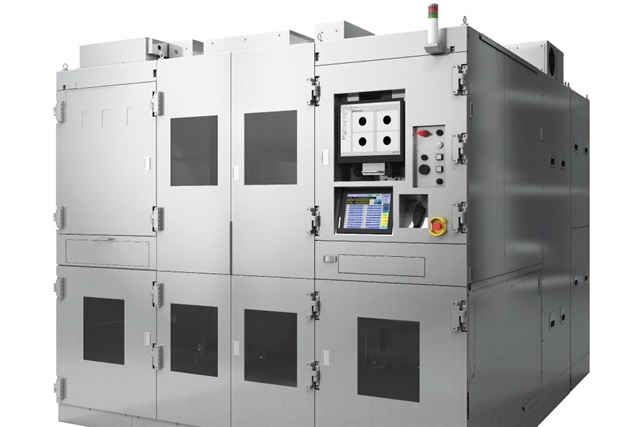
One example is lithography equipment supplied by Ushio, used in producing advanced IC package substrates. As orders pile up and more customers seek to scale production, delivery schedules for such systems are stretching far beyond historical norms, turning equipment availability into a potential bottleneck for the entire packaging ecosystem.
The development highlights a key reality of the current AI-driven cycle: even as headline attention centers on cutting-edge chipmaking, the less visible infrastructure—substrates, packaging lines, and the precision equipment behind them—can become the limiting factor. When lead times expand to multiple years, it complicates capacity planning and risks delaying broader efforts to ramp production of components needed for next-generation computing hardware.
Why it matters
Advanced substrates are a critical link between chip manufacturing and final packaged products, and shortages or delays can ripple through the AI hardware market. The extended equipment lead times suggest that scaling AI chip supply isn’t only about building more fabs—it also depends on expanding specialized packaging and substrate capacity. Watch for whether toolmakers can increase output, and whether substrate suppliers adjust timelines and pricing as the bottleneck persists.