U.S. naval forces are moving toward the Middle East as Washington and Tehran signal possible renewed diplomacy. Conflicting messages and U.S. political rifts are roiling markets.
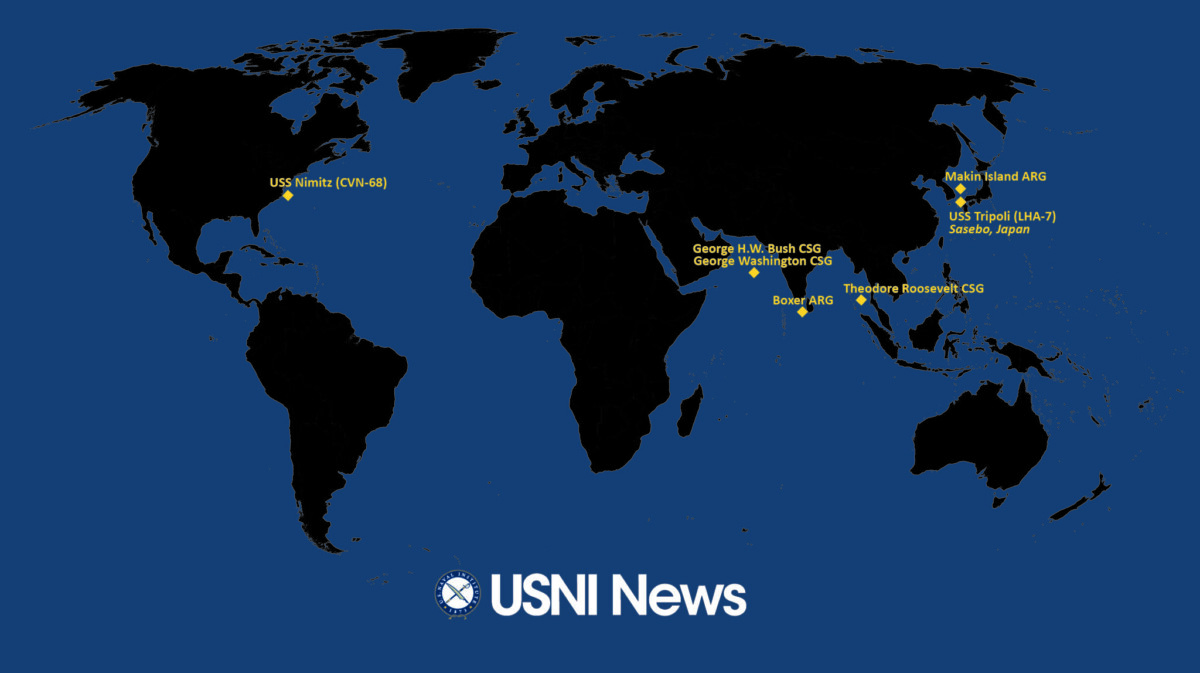
U.S. naval forces are continuing to reposition toward the Middle East as markets and policymakers watch for signs that the conflict with Iran may move back toward diplomacy. As of Nov. 9, the Theodore Roosevelt Carrier Strike Group was reported to be underway toward the region, while the Boxer Amphibious Ready Group was described as approaching the broader theater—deployments that typically signal an effort to bolster deterrence and expand operational options.
Even as military assets move closer, attention has shifted to whether Washington and Tehran could return to the framework outlined in an April ceasefire document. Public messaging from the White House has suggested the possibility of de-escalation, including remarks indicating the president “probably” would not authorize additional strikes. That rhetoric has fed expectations among traders that oil flows could stabilize if negotiations resume and shipping risks in the Gulf diminish. Oil prices fell sharply on growing talk of peace discussions.
Iran, however, has pushed back on U.S. characterizations of the talks. An Iranian senior security official said Tehran’s position remains consistent, disputing claims that Iran is seeking terms outside what was previously discussed. Those comments—reported by Yahoo News—underscore a central point of contention: whether the United States is being asked to accept the same ceasefire conditions as in April, or whether Iran is demanding new concessions.
Within Washington, the political crosscurrents around any prospective deal appear to be intensifying. Secretary of State Marco Rubio has publicly objected to Iran’s stated demands, reflecting the difficulty of managing both external negotiations and internal coalition politics. The article portrays Rubio as caught between a president who has at times signaled waning interest in continuing hostilities and Iranian officials insisting they have not shifted their baseline terms.
The piece also argues that if the administration ultimately accepts an agreement resembling the April document, it will be widely viewed—by hawks within the United States and among foreign policy “neoconservatives”—as a worse outcome than the status quo that existed before the U.S. attack on Iran. That perception could sharpen the search for accountability inside the Republican Party and shape how different figures position themselves ahead of future elections.
In the Senate, GOP leadership is depicted as unlikely to confront the administration directly. The article highlights Majority Leader John Thune as someone who may prefer to avoid a high-profile intraparty fight, while noting that Defense Secretary Pete Hegseth was confirmed with broad Republican support, with the exceptions of Mitch McConnell, Susan Collins, and Lisa Murkowski.
The author contends that the administration may be preparing to shift blame for any politically unpopular Iran deal away from the president and onto Rubio—an outcome that, in this telling, could complicate Rubio’s longer-term presidential ambitions if it alienates more hawkish factions. The commentary further claims Iranian officials would rather deal with Vice President JD Vance, who is described as having opposed the war.
Why it matters
Military deployments can raise the stakes even when diplomacy is advancing, particularly in a region where miscalculation can disrupt global energy supplies. With oil prices reacting to perceived movement toward talks, investors, consumers, and governments all have an interest in whether Gulf shipping normalizes—or faces renewed risk. The next key signal will be whether U.S. and Iranian statements converge around the April ceasefire framework, or whether domestic politics in Washington derails a return to those terms.