Registration is open for the 2026 NASA Space Apps Challenge, a global weekend hackathon using NASA’s open data. Teams of all skill levels will tackle Moon, Mars and science challenges.
Registration has opened for the 2026 NASA Space Apps Challenge, a worldwide, weekend-long event that will run Saturday, Nov. 14, and Sunday, Nov. 15. The annual program—often described as a hackathon—brings people together in teams to devise practical solutions to problems rooted in NASA’s research and exploration agenda, using the agency’s free, openly available data.
Unlike many technology competitions, Space Apps is designed for broad participation. Coding skills are welcome, but not required. NASA encourages students, scientists, engineers, designers, technologists, storytellers, and space enthusiasts of any age or experience level to join, reflecting the reality that successful missions depend on many kinds of expertise: data analysis, human-centered design, communication, visualization, and creative problem-solving.
“At NASA, science is for everyone,” said Nicky Fox, associate administrator for the Science Mission Directorate at NASA Headquarters in Washington. Fox said the 2026 challenge will invite students and participants around the world to work with NASA data sets to help create what she described as an “interplanetary survival guide”—ideas and tools that could support astronauts living and working on the Moon and, eventually, Mars, while also producing benefits for life on Earth.
NASA says this year’s set of challenges clusters around three broad themes: enabling a return of astronauts to the Moon, getting ready for missions farther into the solar system—including future human expeditions to Mars—and deepening scientific understanding of the universe.
A significant portion of the 2026 challenge portfolio connects to Artemis, NASA’s effort to establish a sustained human presence on the Moon and develop capabilities for future exploration. Some proposed projects focus on the Moon’s south polar region, where lighting conditions, terrain, and communications constraints can shape everything from navigation to science operations. Others invite teams to build analytical tools and models that help planners weigh the logistical and scientific requirements of long-duration stays—such as how to schedule work around sunlight and communication windows, or how to coordinate complex surface activities. System-level simulations that represent outpost operations, astronaut health, and safety are intended to reflect the interlocking decisions mission teams must manage.
Another major track centers on deep-space readiness, including the long lead-up to human exploration of Mars. NASA’s challenges in this area include concepts for operating on the Martian surface, methods for combining information from multiple Mars missions, and frameworks for thinking through trade-offs that arise when designing missions far from Earth. Some tasks emphasize the human side of exploration, such as approaches for tracking physiological and behavioral health during extended travel and isolation.
NASA also notes that parts of the challenge align with its wider exploration roadmap, which includes preparing for complex robotic missions to distant targets such as Jupiter’s moon Europa and Saturn’s moon Titan. By testing mission-design choices through simulations or studying Earth environments that resemble off-world conditions, participants can explore how NASA approaches operations across the solar system.
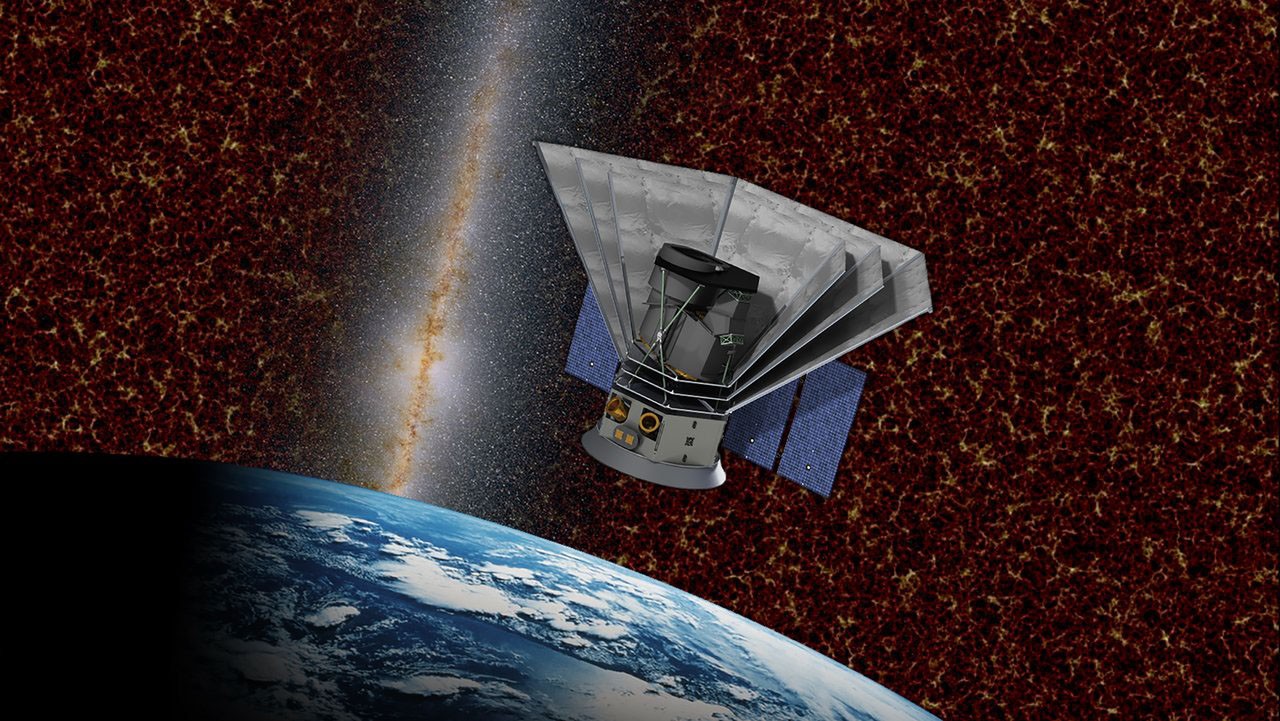
The third focus area aims to broaden engagement with astrophysics. NASA’s space telescopes and observatories are central to studying cosmic history and structure, as well as identifying and characterizing exoplanets—worlds beyond the solar system. Among the active missions highlighted for 2026 is SPHEREx (the Spectro-Photometer for the History of the Universe, Epoch of Reionization and Ices Explorer), which is conducting a full-sky spectral survey. Challenges tied to these efforts emphasize improving access to mission data and developing tools that help people better explore and visualize what the missions are finding.
Why it matters
Space Apps functions as a public on-ramp to NASA’s data and priorities, giving students and professionals a concrete way to contribute to problems that affect future exploration. The outcomes can influence how mission concepts are communicated and how operational ideas are tested early, before hardware is built. What to watch next: the specific challenge prompts NASA releases and the solutions that emerge—especially tools that can be reused by educators, researchers, and mission planners.