Keeping NASA at the forefront of exploration and technological innovation depends not only on scientists and astronauts, but also on a highly trained technical workforce.
Keeping NASA at the forefront of exploration and technological innovation depends not only on scientists and astronauts, but also on a highly trained technical workforce. Across the agency, technicians provide the practical expertise that turns ideas into flight-ready hardware and functioning facilities—work that spans engineering support, precision fabrication, electronics, testing, and many other specialized trades.
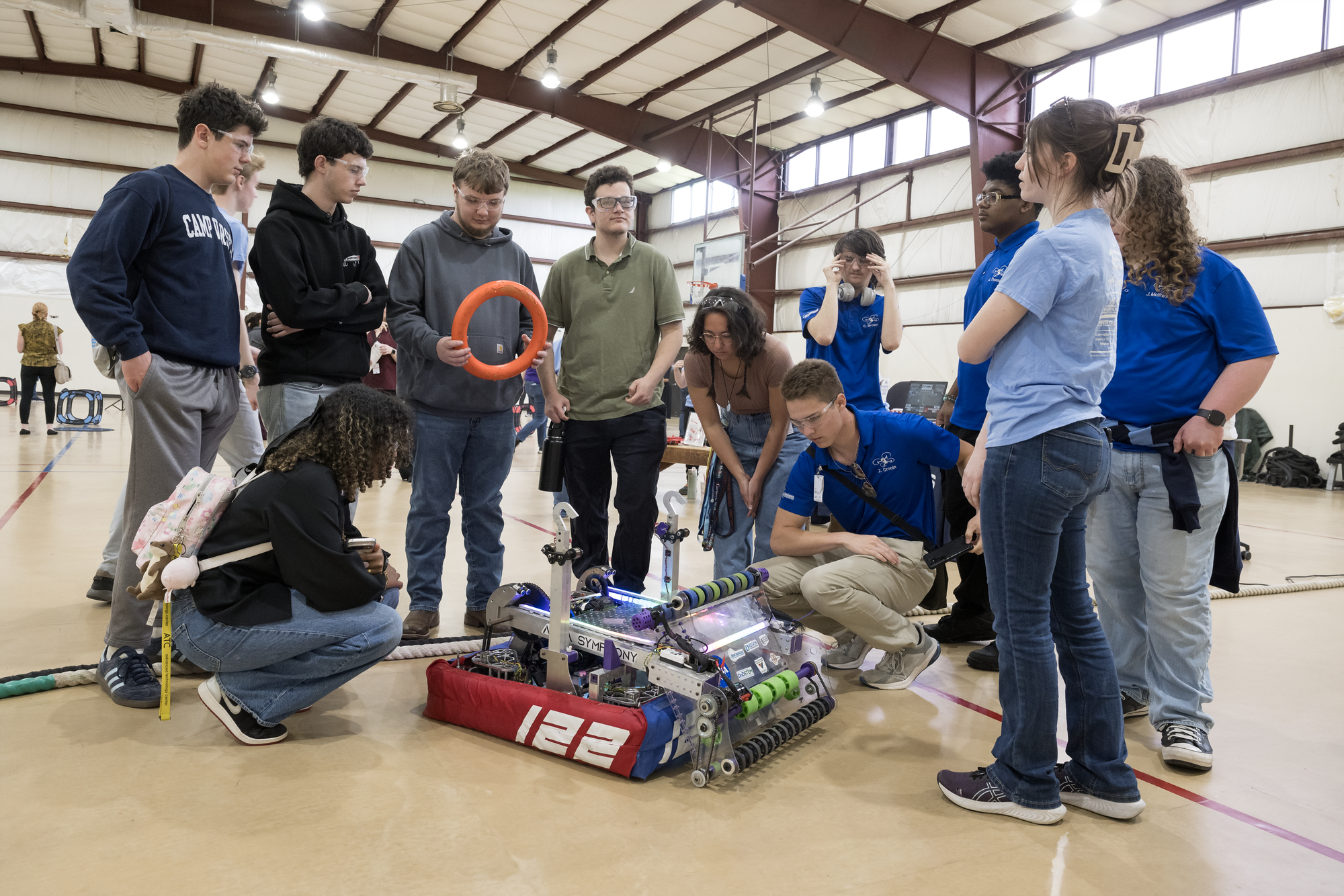
To spotlight those careers and help build a pipeline of future talent, NASA’s Office of STEM Engagement recently hosted a Career Technical Education Day at NASA’s Langley Research Center in Hampton, Virginia. The event brought 100 high school and community college students from Virginia and North Carolina to the center for a daylong introduction to the technical jobs that underpin NASA’s research and missions.
Bonnie Murray, who leads NASA Langley’s Office of STEM Engagement, said the program was designed to broaden students’ understanding of who works at NASA and how they get there. Many young people, she noted, assume the agency’s workforce is limited to astronauts or traditional engineering roles, which can make a NASA career feel out of reach. By meeting technicians on the job and hearing how they built their careers, students can better see how the skills they are learning in career and technical education programs map onto real NASA positions.
The day began with remarks from Steve Gayle of NASA Langley, who described his own progression from an engineering technician co-op in the center’s Fabrication Division to a graduate of Langley’s Engineering Technician Apprentice Program, and ultimately to his current post as acting associate director. Gayle urged students to take on difficult problems, sharpen their critical thinking, remain curious, and actively seek opportunities as they plan their careers. NASA, he emphasized, depends on “skilled hands-on professionals”—the technicians who keep wind tunnels running, build components in fabrication shops, and apply electronics expertise to design, test, and assemble essential systems.
Students then moved through a series of tours and demonstrations across some of Langley’s best-known facilities, including the historic Landing and Impact Research Facility and one of the center’s wind tunnels. At each stop, technicians offered a close look at the environments where NASA hardware and technology are built, evaluated, and improved. They also discussed their day-to-day responsibilities, the training routes that led them to NASA, and the competencies needed to succeed in technical roles.
Interactive activities led by NASA technicians and aerospace industry partners helped participants connect classroom learning to real applications. From watching fabrication processes to examining instrumentation up close and participating in engineering demonstrations, students saw how technical and STEM foundations translate into tangible work that supports NASA missions.
Murray said events like Career Technical Education Day are part of NASA’s broader effort to prepare students for aerospace careers by providing experiences and investments that expand technical expertise, strengthen research capacity, and align workforce development with agency needs.
The program concluded with a career panel moderated by NASA astronaut Joe Acaba, associate director of mission and strategy at NASA’s Johnson Space Center in Houston and a former math and science teacher. Four technician apprentices from Langley joined the discussion, offering candid insights into their roles and emphasizing the importance of mastering the basics. Mechanical engineering technician apprentice Wyatt Healy told students that understanding how software, systems, and everyday tools work provides an essential foundation—one that makes advanced learning more accessible over time.
By pairing hands-on exposure with direct conversations with working professionals, the event highlighted the breadth of technical pathways at NASA and reinforced the agency’s commitment to developing the next generation of technicians.