NASA’s Earth Observatory has released its latest monthly “satellite puzzler,” inviting readers to put their image-reading skills to the test.
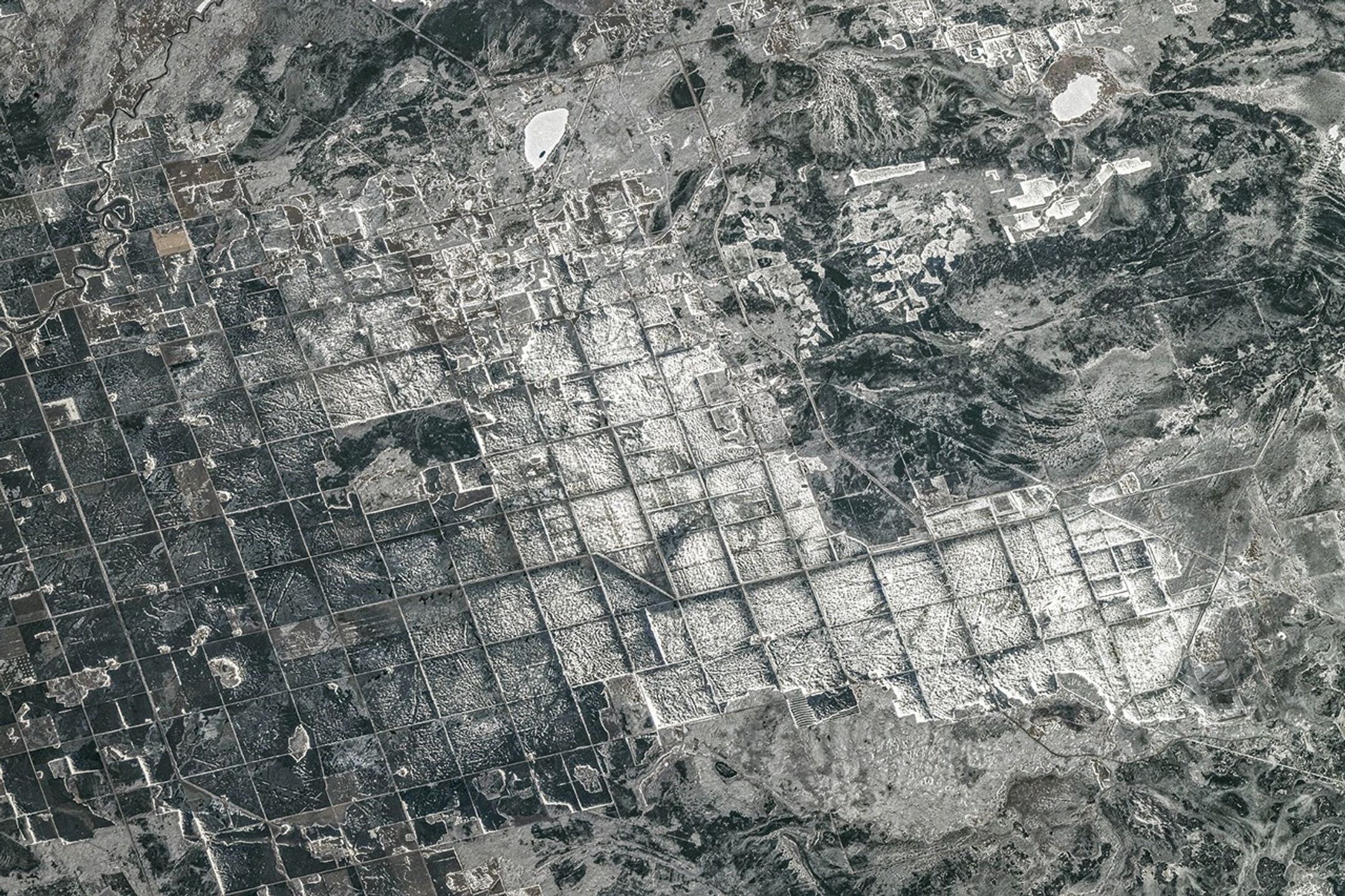
NASA’s Earth Observatory has released its latest monthly “satellite puzzler,” inviting readers to put their image-reading skills to the test. The May 2026 edition features a striking satellite view—shown above—of an undisclosed place on Earth. As with past puzzlers, the challenge is simple in concept but often tricky in practice: figure out where this scene is located.
Participants are encouraged to study the image closely and explain their reasoning. What patterns stand out? Are there telltale coastlines, river networks, mountain shadows, volcanic features, urban grids, or unusual colors that hint at climate or land cover? NASA is asking respondents not only to name a location, but also to describe the clues that led them there and to share what makes the site notable, distinctive, or personally meaningful.
Submissions are collected through an online form, where readers should choose “Puzzler Answer” as the topic and include a preferred name or alias. NASA notes that answers can be brief—guessing the location is enough to participate—but provides extra avenues for those who want to go deeper. Particularly attentive readers might try to identify the satellite and sensor that acquired the image, infer which parts of the electromagnetic spectrum are being shown, or point to subtle details that reveal something about the region’s geology or human history. In other words, it’s not just a geography quiz: it’s an invitation to think like a remote-sensing analyst.
The Earth Observatory team also welcomes responses that go beyond technical detective work. If the landscape depicted is familiar—perhaps it’s someone’s hometown, a place they’ve visited, or a region tied to a memory—they’re invited to say so. NASA’s aim, as framed by the call for entries, is to turn a single satellite image into a shared exercise in observation and curiosity.
There’s no cash reward and no spaceflight waiting for correct entries. Instead, the incentive is recognition: what NASA jokingly describes as “puzzler bragging rights.” About a week after the challenge is posted, the agency plans to reveal the answer at the top of the puzzler page. That reveal will also link to an accompanying Earth Observatory “Image of the Day” story, which will unpack the scene in more detail and explain what’s happening on the ground—or in the water—where the satellite happened to be looking.
NASA will credit the first person to correctly identify the location, and the team may also spotlight other submissions that offer especially insightful, careful, or engaging explanations. Readers should note that by sending in a response, they agree their comments can be edited, excerpted, and published on the page.
Until the official reveal arrives, NASA’s message is straightforward: zoom in, scrutinize the details, and enjoy the challenge.