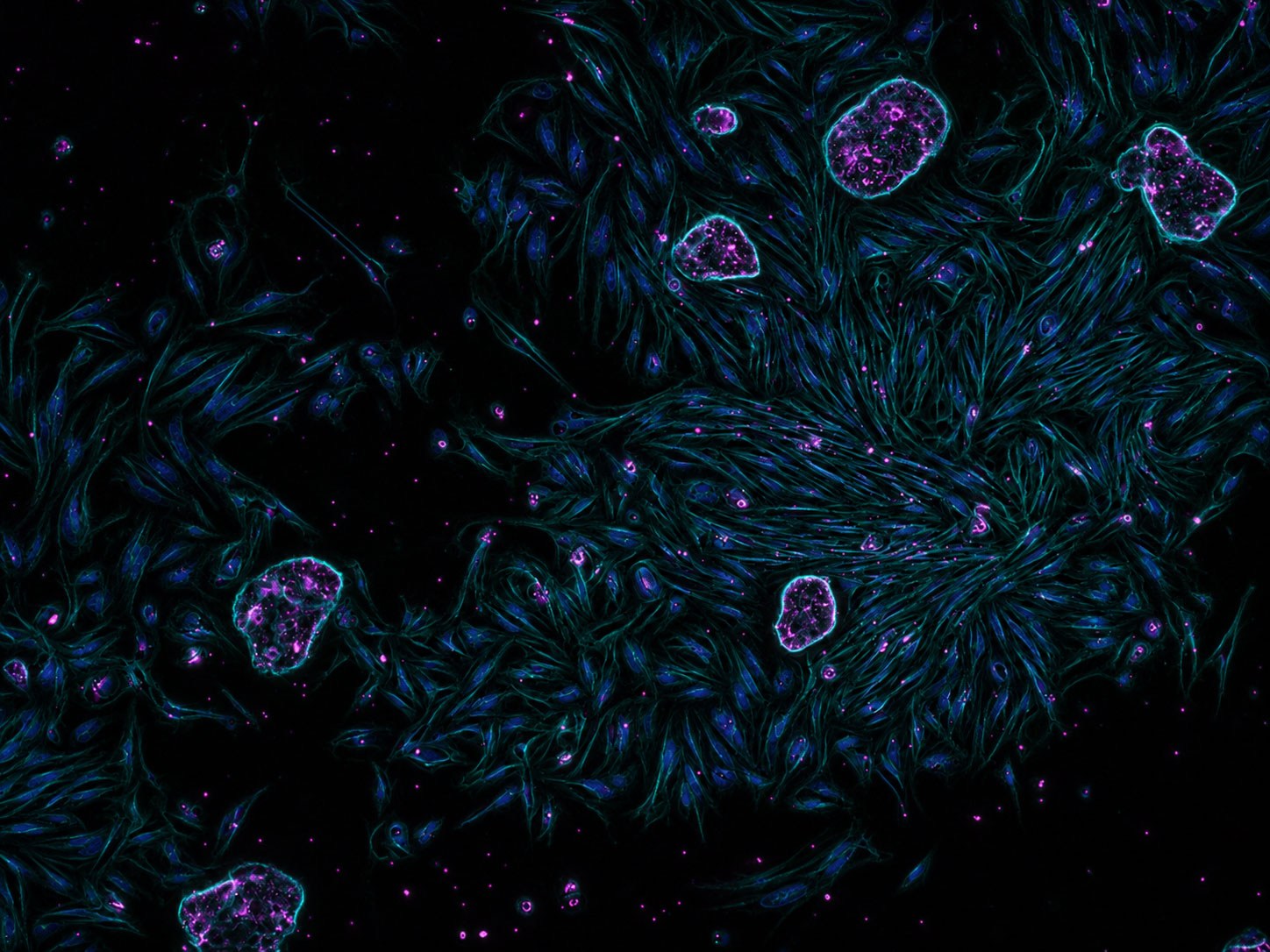
Patient-derived gastric microtumors are being grown in a biochip aboard the International Space Station to study how microgravity affects cancer cell movement and metastasis risk.
A photograph taken on Nov. 19, 2026, captures tiny gastric tumor models growing inside an Encapsulates biochip—part of an experiment designed to see how cancer behaves when gravity is largely removed from the equation. The work, known as the Encapsulate-1 investigation, is being conducted aboard the International Space Station, where researchers can expose human tumor tissue to microgravity conditions that are difficult to reproduce on Earth.
The study relies on tumor samples derived from patients, allowing scientists to observe cancer cells in a setting that more closely reflects real human disease than standard lab-grown cell lines. By culturing these patient-derived microtumors inside the Encapsulates chip, investigators can track how cells move and how they communicate and interact with their surroundings while in orbit.
A central goal is to understand whether microgravity changes the ways cancer cells migrate—an issue at the heart of metastasis, the process by which cancer spreads from its original site to other parts of the body. If researchers can identify patterns in movement and interaction that correlate with aggressive behavior, the findings could point toward new tests aimed at estimating an individual patient’s likelihood of developing metastatic disease.
Such predictive tools would not simply be academic. Better forecasting of metastatic risk could help clinicians tailor care more precisely—supporting more personalized treatment strategies that match therapy intensity to a patient’s specific disease profile.
Encapsulate-1 is taking advantage of the space station’s unique research environment. Orbiting more than 200 miles (320 kilometers) above Earth, the International Space Station offers sustained microgravity, enabling experiments that cannot be performed the same way on the ground. That setting has increasingly become a platform for biomedical research, including studies that probe cell behavior under physical conditions that alter how cells sense forces and organize in three-dimensional structures.
The microtumors shown in the Nov. 19 image represent a snapshot of that effort: miniature, patient-relevant models of cancer growing in a specialized biochip, monitored as they develop beyond Earth’s gravitational pull.
Why it matters
Metastasis drives many cancer deaths, and tools that better anticipate who is at highest risk could influence treatment choices and follow-up care. By using patient-derived tumor samples in microgravity, Encapsulate-1 aims to reveal aspects of cell movement and interaction that may be masked on Earth. The next key question is whether the space-based observations translate into practical tests that improve decision-making for patients back home.