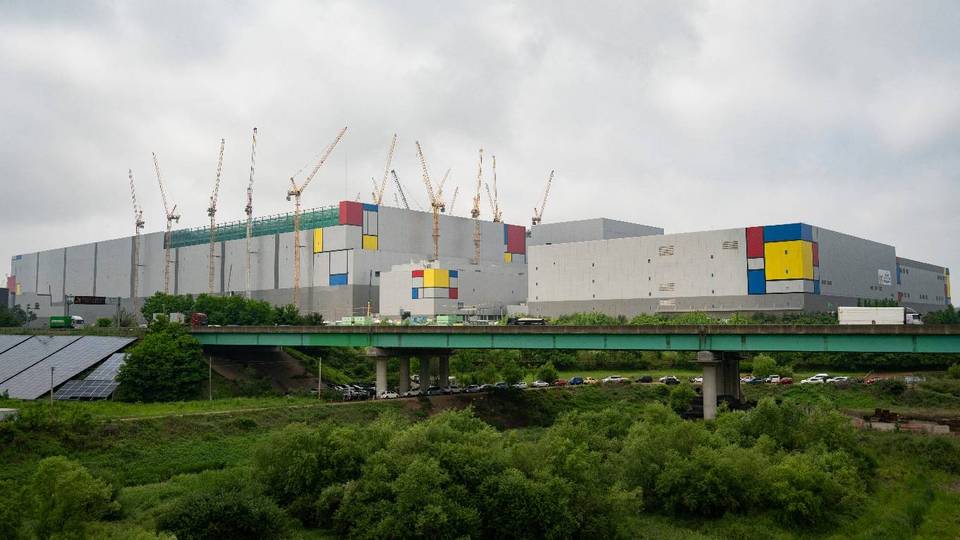
South Korea’s economy is surging on AI-driven demand for advanced semiconductors, lifting exports, profits and national income. But deeper reliance on chips raises risks if global spending cools.
South Korea is riding a powerful wave of growth fueled by the global surge in artificial intelligence, with advanced semiconductors at the center of the upswing. Demand for cutting-edge chips used to train and run AI systems has risen sharply, and few countries are as positioned to capitalize as South Korea, where semiconductors are a cornerstone of industrial output and trade.
The payoff has been visible across key economic indicators. As chip orders climb, exports have strengthened, boosting revenues for major semiconductor firms and lifting corporate profits more broadly. That, in turn, has translated into higher national income, helping the economy outperform expectations at a time when many advanced economies are grappling with slower growth and lingering uncertainty.
Yet the same concentration that is powering South Korea’s current momentum also creates a clear point of fragility. The country’s fortunes are becoming even more tightly linked to a single global technology cycle—one driven by AI investment. The stronger the semiconductor sector becomes as an engine of growth, the more exposed the broader economy is to shifts in demand for high-end chips and the infrastructure that supports them.
A central risk is that today’s investment rush may not last. While AI is widely viewed as a transformative technology with long-term potential, the pace of spending can change quickly if companies pull back on data center expansion, if profitability fails to keep up with expectations, or if the market enters a period of consolidation. In that scenario, semiconductor orders could soften, reverberating through South Korea’s export earnings and corporate balance sheets.
This dynamic makes the boom a double-edged sword. On the one hand, it has delivered an outsized boost to growth and reinforced South Korea’s position in a strategically important industry. On the other, it raises the stakes of any future downturn in the chip market. For an economy that has already experienced the volatility of past semiconductor cycles, an AI-linked surge brings both opportunity and heightened sensitivity to global sentiment.
For policymakers and investors, the message is less about predicting an imminent reversal than about recognizing the asymmetry of risk. When an economy becomes highly reliant on a single sector’s performance, the upside can be substantial—but the costs of a slowdown can also spread quickly, affecting employment, investment, fiscal revenues, and household confidence.
Why it matters
South Korea’s strong performance is increasingly tied to AI-driven semiconductor demand, benefiting exporters and boosting national income. But deeper dependence on one industry also means a swing in global chip spending could hit growth harder than in more diversified economies. The next key signals to watch are whether AI investment remains elevated and how resilient chip demand proves as the technology moves from hype to sustained profitability.