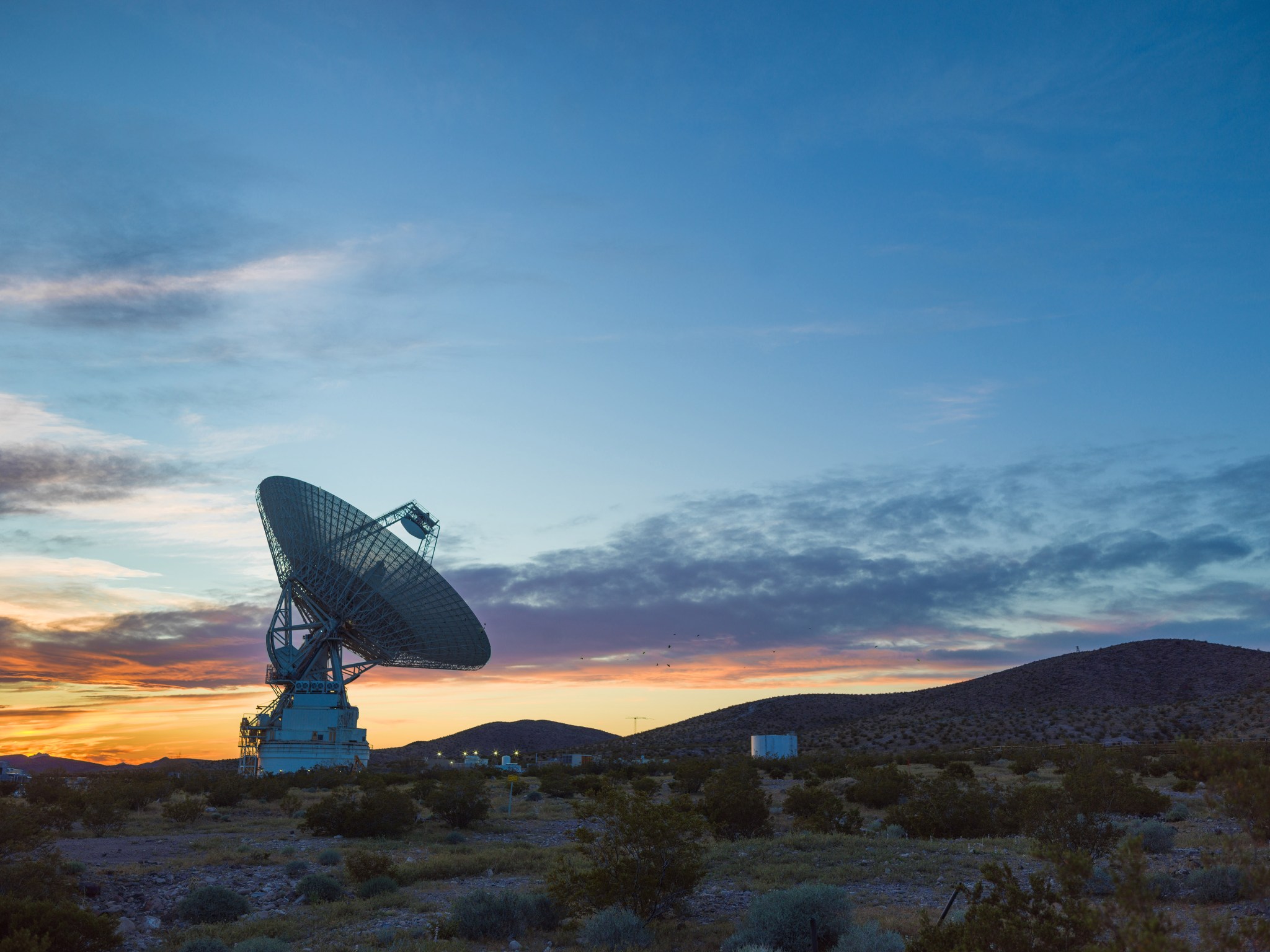
NASA says it has finished investigating the malfunction that damaged one of the world’s most important deep-space communications antennas—Deep Space Station 14 DSS‑14 ,…
NASA says it has finished investigating the malfunction that damaged one of the world’s most important deep-space communications antennas—Deep Space Station 14 (DSS‑14), the 70‑meter dish at the Goldstone Deep Space Communications Complex near Barstow, California—and has released a final report detailing what went wrong and how the agency plans to prevent a repeat.
The incident, which occurred Sept. 16, 2025, has been classified by NASA as a Type A mishap, a designation tied to the overall cost of the damage. DSS‑14 will remain out of service while repairs are completed alongside upgrades that had already been planned.
“NVIDIA takes safety and any departure from established procedures seriously,” said Joel Montalbano, acting associate administrator for NASA’s Space Operations Mission Directorate, emphasizing that the findings point to the need for tighter processes. He said NASA will revise procedures, rebuild key in‑house technical capabilities, and strengthen operational discipline throughout the Deep Space Network (DSN) to ensure the system is ready for future missions.
According to the report, the antenna over‑rotated while it was actively tracking NASA’s Juno spacecraft at Jupiter. The unexpected movement placed abnormal loads on cabling and structural supports. At the same time, water lines connected to the antenna’s fire‑suppression system were damaged, leading to substantial flooding in the facility. NASA reported no injuries.
To determine the causes, NASA convened a Mishap Investigation Board that drew on expertise from across the agency. The board carried out on‑site examinations, interviewed personnel, and reviewed technical records and operational logs not only from Goldstone but from all three DSN complexes. The investigation was completed in April, when the final report was submitted for NASA’s approval.
The board’s recommendations focus on several themes: improved training, stronger technical standards, clearer and more consistent operating procedures, better system design and control logic, unambiguous roles and responsibilities, and more robust safety assurance. NASA said teams are already applying the lessons across the network to make operations more uniform and reduce the likelihood of similar failures elsewhere.
Investigators concluded the mishap resulted mainly from a combination of software vulnerabilities, human error, and a critical failure of the antenna’s hydraulic limit system—the last mechanical safeguard intended to prevent motion beyond safe rotation limits. The report says an electrical problem the day before the incident caused the control system to provide incorrect information about the antenna’s rotational state. That discrepancy went unnoticed, and during the Juno tracking pass it triggered multiple “limit-stop” events—warnings that the system was reaching or exceeding limits.
As operators tried to diagnose the repeated limit-stops, they conducted troubleshooting actions that unintentionally bypassed both software and hardware protections. Those steps ultimately set the stage for the antenna to rotate beyond its permitted range.
After personnel observed flooding at the base of the antenna, operators attempted to stow the dish as a precaution. But because the system had already moved past its rotation limits, the stow command pushed the antenna even farther into over‑rotation, compounding the damage, the report found.
The investigation also determined that the hydraulic limit system was not functioning on Sept. 16, having been damaged in an earlier incident that was never formally documented. The system had also gone without adequate testing for an unknown length of time.
Beyond technical failures, the board highlighted a cultural issue at Goldstone: pressure to keep the antenna running quickly and continuously, encouraging staff to stretch beyond their normal duties and training. The report notes that these cultural conditions were not seen at the DSN’s other sites, where adherence to defined responsibilities was more consistent. Additional contributing factors included weak procedures, dependence on unwritten practices and institutional memory, and gaps in control-system logic.
NASA said it is accepting the report as final as DSS‑14 remains offline for restoration and modernization work.