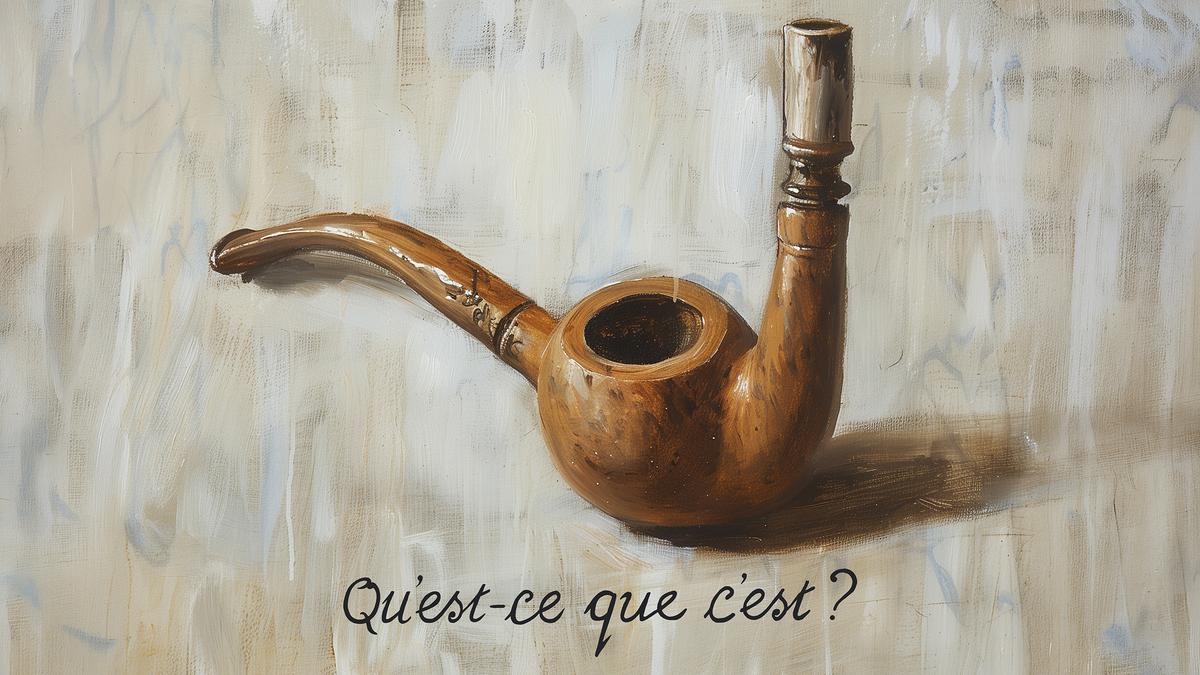
As AI makes images, voices and text indistinguishable from reality, evidence, identity and trust are under pressure. A filmmaker urges critical, human-centred design over resignation.
For as long as humans have been trying to make sense of the world, we’ve been prone to seeing ourselves in it. Ancient observers picked out faces and bodies in constellations; modern artists and researchers have reconstructed images that resemble prehistoric cave paintings. That instinct to project meaning—especially human meaning—onto patterns is now colliding with a new and unusually powerful set of tools.
Machine-learning systems can already produce highly convincing, photorealistic pictures. They can synthesize voices that sound uncannily alive, complete with the timing of laughter and the audible rhythm of breathing. And conversational agents have reached a level of fluency that can make “Turing test–style” judgments—whether you’re speaking to a person or a program—feel increasingly unreliable in everyday situations.
The consequence, argues UK animator and filmmaker Lewis Heriz, is not simply better special effects or more efficient software. In a video essay created for the digital publication Fully Human, Heriz suggests we are approaching a cultural threshold: the first generation for whom the boundary between real people and their mediated representations could fade to the point of near-disappearance. When images, audio, and text can all be generated to a standard that passes as authentic at a glance—or even after scrutiny—basic assumptions about evidence, identity, and trust begin to wobble.
Heriz’s focus is less on a single technology than on the environment these tools create: a feedback loop in which humans build meaning through symbols, then increasingly inhabit a world saturated with symbols that can be manufactured instantly and at scale. The danger, he warns, is a “hall of mirrors” effect—an informational landscape where references and reproductions multiply so quickly that it becomes difficult to tell what is grounded in a real person, a real event, or a real source.
Yet the essay is not framed as an argument for resignation. Heriz emphasizes that, although machine learning is accelerating the ease with which data can be made to look and sound like life, people are not powerless in the face of it. The choice is not limited to accepting a future in which human experience is flattened into indistinguishable content. Instead, he calls for a deliberate response: meeting these systems with critical thought and imaginative design, and shaping how AI is used so it supports—rather than erases—what makes human communication and creativity distinct.
In other words, the question is not only what AI can imitate, but what societies decide to value when imitation becomes effortless.
Why it matters
As synthetic media becomes more convincing, everyone—from voters and consumers to artists and educators—faces higher stakes in judging what’s real and who is speaking. The shift could reshape trust in online information, creative labor, and even everyday interpersonal interactions. What happens next will depend on whether developers, platforms, and the public adopt norms and tools that keep authenticity, accountability, and human intent visible in a world of increasingly perfect fakes.