NASA is searching for volunteers to take part in its next major Earth-based simulation of deep-space travel—an intensive, yearlong study designed to mirror the isolation…
NASA is searching for volunteers to take part in its next major Earth-based simulation of deep-space travel—an intensive, yearlong study designed to mirror the isolation and operational pressures astronauts will face on future missions to the Moon and Mars.
The campaign targets research participants for the Moon and Mars Exploration Analog, a new integrated mission simulation scheduled to begin no earlier than August 2027 at NASA’s Johnson Space Center in Houston. Those selected will live and work for roughly 12 months in tightly controlled, confined environments meant to replicate the conditions of long-duration exploration beyond Earth orbit, including extended separation from the outside world and the constraints of limited resources.
NASA says the data gathered from the study will help refine how the agency prepares crews for planetary surface operations and for the lengthy transits required to reach and return from distant destinations. The findings are expected to support safety and readiness planning for astronauts, while also informing broader objectives such as establishing a sustained human presence on the Moon through concepts like a Moon Base and advancing future Artemis missions.
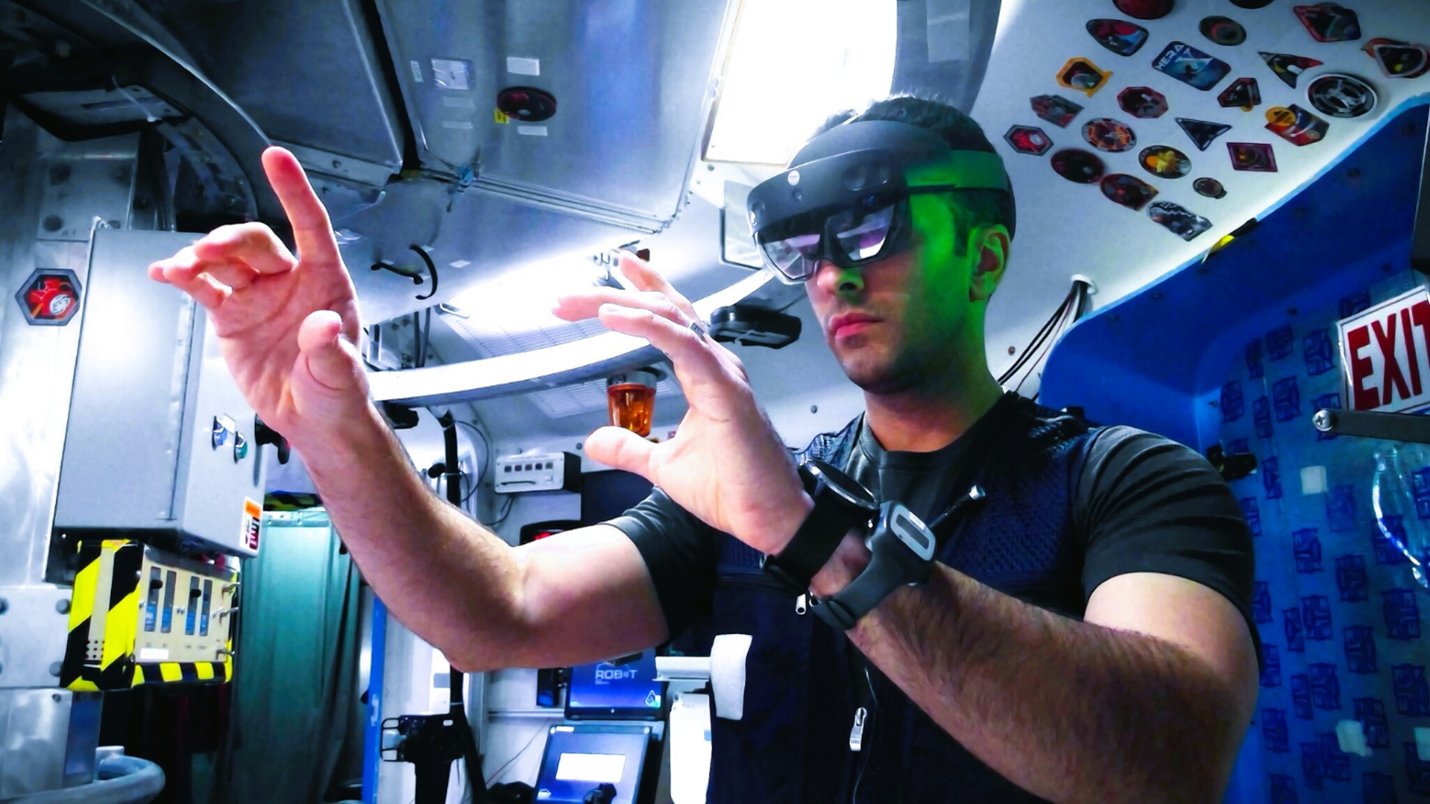
The upcoming analog will unfold across two separate habitats. In the planned setup, the Human Exploration Research Analog (HERA) facility will function as a stand-in for a spacecraft, while the Crew Health and Performance Exploration Analog (CHAPEA) habitat will serve as a simulated planetary base. NASA describes this structure as a way to compress multiple mission phases into one continuous research campaign—capturing how people adapt across a wide spectrum of scenarios, from months-long “flight” segments to demanding work on a planetary surface.
Participants won’t simply be confined indoors. The simulation includes mission-like tasks intended to reproduce real operational rhythms, such as mock Mars excursions and rover trips to exploration sites positioned beyond the main habitat. By combining travel and surface activities within a single program, NASA aims to streamline how researchers evaluate performance, health, and teamwork under evolving conditions.
Throughout the mission, scientists will monitor how crews handle the combination of resource limits and operational demands—factors that can influence physical health, mental well-being, and overall effectiveness in isolated environments. The work also serves as a proving ground for the tools and systems that would support future explorers: NASA plans to assess hardware, technologies, operating procedures, requirements, and other protocols intended to protect crew health and maintain performance on long-duration missions—without leaving Earth.
The agency is seeking applicants who meet specific physical and educational qualifications and who are willing to undergo a multi-day selection process. Prospective participants must also pass NASA medical and psychological screenings, with details provided on the Moon and Mars Exploration Analog webpage. Beyond meeting formal requirements, NASA is encouraging candidates who are motivated by challenging, unusual experiences and who want to contribute directly to preparations for extended lunar stays and, ultimately, the first crewed journey to Mars.
The analog effort will feed into NASA’s Human Research Program, which focuses on developing methods and countermeasures to keep astronauts healthy and mission-ready. NASA frames the initiative as part of its broader push toward more complex exploration—missions intended to expand scientific discovery on the Moon, generate economic benefits, build a lasting presence on the lunar surface, and lay the groundwork for sending humans to Mars.