New research finds 23% of global imports face at least two key vulnerabilities, raising the risk of shocks spreading through supply chains. Emerging markets are most exposed.
New analysis suggests that nearly a quarter of the world’s imported goods are exposed to multiple weak points in today’s trading system. In 2024, about 23% of global goods imports were subject to at least two out of three key vulnerabilities: the goods were considered critical inputs, their supply was dominated by a small number of exporters, and the trade links involved countries that are geopolitically distant from one another.
For policymakers, that combination is more than a statistical warning. It highlights how easily a disruption can escalate from a localized shock into a broader economic problem—especially when the items involved are essential for production and the alternatives are limited. The findings also underscore a central challenge for emerging markets: they are often more exposed to external shocks than advanced economies, yet have less budgetary room to cushion the impact.
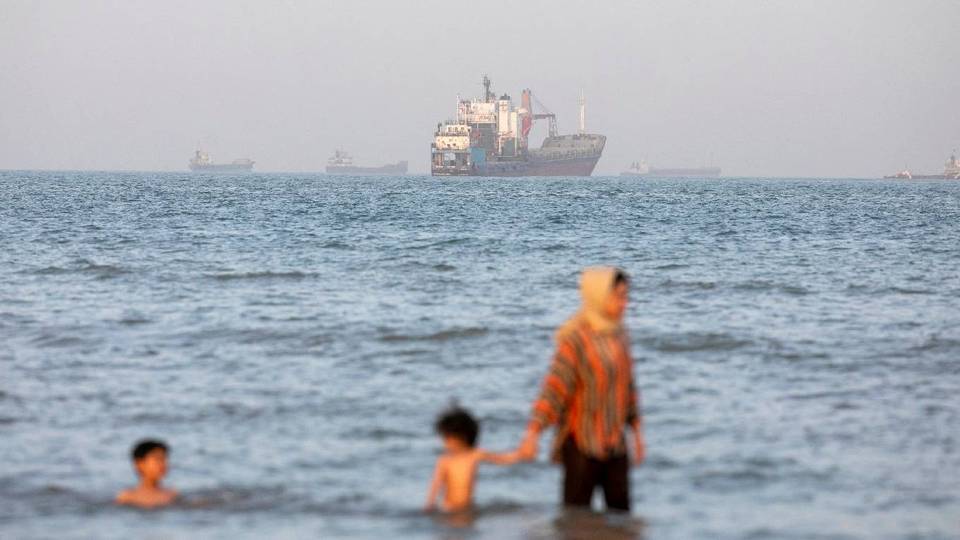
Recent events have made the risks tangible. The wave of tariff-related uncertainty last year showed how quickly trade costs and market access can shift, complicating procurement plans and investment decisions. This year’s disruptions around the Strait of Hormuz—one of the world’s most strategically important maritime corridors—offered another reminder that trade vulnerabilities are not only about factories and suppliers, but also about the routes that connect them. When a chokepoint is threatened, delays and higher shipping costs can ripple through supply chains far beyond the immediate region.
The broader message from this research is not that globalization is reversing. Instead, the architecture of trade is being reshaped. Supply chains are adjusting, new partners are emerging, and firms are diversifying in response to policy risk and geopolitical tensions. For emerging economies, that reconfiguration can create openings: new export markets, a chance to attract investment as companies seek alternative production locations, or opportunities to move up the value chain by supplying inputs that are suddenly in higher demand.
But capturing those gains requires precision. The research points to the need for early identification of where the biggest fragilities lie—starting with which imported products are truly critical to domestic industry, which of those depend on a narrow set of foreign suppliers, and which are tied to politically exposed relationships or transit routes. Because emerging markets typically face tight fiscal constraints, broad, expensive resilience strategies are often unrealistic. The more practical approach is targeted action: strengthening supply security for the most essential inputs, reducing dependence where concentration is extreme, and planning for contingencies when trade routes or geopolitical relationships are vulnerable.
In short, the next phase of global trade will reward countries that treat resilience as a strategic investment rather than an afterthought. For emerging economies, the priority is to diagnose exposure early and focus limited resources on the points of greatest risk—so that integration delivers growth without leaving the economy one shock away from disruption.
Why it matters
Emerging economies that rely on imported inputs for manufacturing and energy are especially vulnerable when critical goods come from a handful of suppliers or travel through exposed corridors. The research suggests that a significant share of world imports already sits in this danger zone, raising the stakes for better risk mapping and contingency planning. What happens next will depend on how quickly governments and firms can diversify suppliers, secure logistics routes, and adapt to a trading system that is shifting—rather than shrinking.