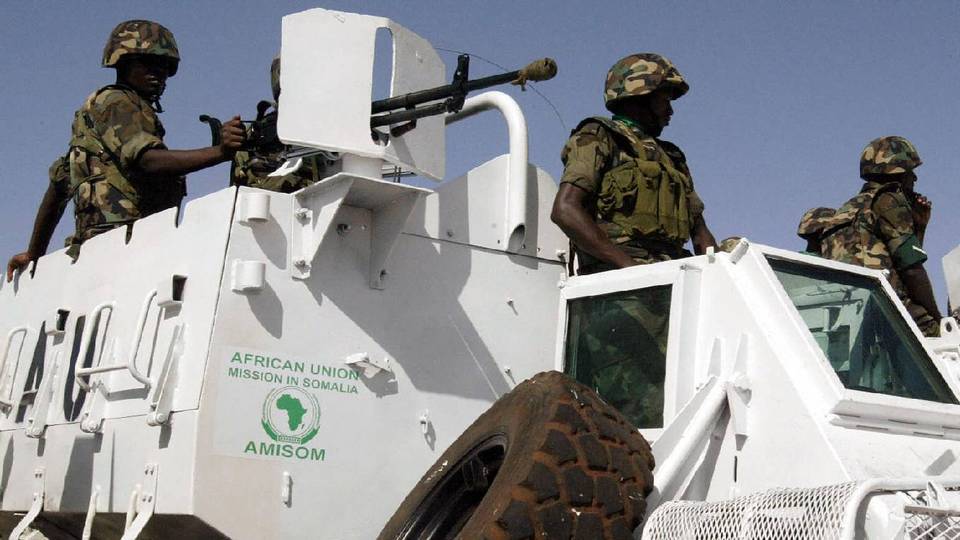
The African Union’s push for Pax Africana has been hampered by slow deployments and chronic funding gaps. Clearer roles for the AU, UN and regional blocs could help.
The African Union has spent decades trying to turn the late scholar Ali Mazrui’s idea of Pax Africana into a workable security framework. The vision is straightforward: African states and institutions should take primary responsibility for managing conflicts on the continent. In practice, however, the AU’s efforts have repeatedly run into the same obstacles—most notably the practical challenge of deploying forces quickly and the chronic difficulty of paying for sustained operations.
Mazrui, a Kenya-born academic who helped shape post-independence debates about African sovereignty, first articulated the concept in 1967. He argued that peace and stability would be more achievable if Africa served as “its own policeman,” rather than relying on distant powers to intervene in crises. Central to his thinking was the principle of “continental jurisdiction,” an approach that sought to establish Africa’s right—and duty—to handle its own disputes.
This proposal functioned as an African counterpart to the Monroe Doctrine, aiming to discourage outside powers from inserting themselves into conflicts that Africans could and should address. Mazrui did not present this as a call for isolationism. Instead, he envisioned African-led action carried out in close cooperation with the United Nations, with the crucial distinction that the legitimacy of interventions would rest first with African actors. In his view, operations undertaken by African institutions or neighboring states would be politically and morally stronger than those imposed from outside the continent.
Yet the AU’s record highlights how difficult it is to translate that legitimacy into effective action. Peacekeeping and stabilization missions are expensive, complex undertakings that require transport, supply chains, communications infrastructure, and predictable funding. The AU has often lacked these essentials at the scale required, limiting its ability to respond decisively when violence escalates or when fragile political transitions begin to unravel.
One proposed path to making African-led peace operations more reliable is a clearer division of labor among the main institutions involved in continental security. That means aligning responsibilities among the AU, the UN, and Africa’s regional organizations so that each plays to its strengths. Regional bodies can sometimes mobilize political consensus and local knowledge faster. The AU can provide continent-wide legitimacy and coordination. The UN, for its part, remains uniquely positioned to supply long-term financing mechanisms, logistical depth, and internationally recognized mandates.
For Pax Africana to move from aspiration to reality, supporters argue, the institutional architecture needs to be designed around these comparative advantages. Better-defined roles could reduce duplication, speed up deployments, and create a more sustainable funding model—addressing two of the constraints that have repeatedly undermined AU ambitions.
Why it matters
How Africa organizes peacekeeping affects millions of people living amid insurgencies, civil wars, and political instability, as well as governments seeking to prevent crises from spilling across borders. If the AU, UN, and regional blocs can agree on a more functional burden-sharing arrangement, interventions may become faster, better resourced, and more credible. The next test will be whether political commitments are matched with durable funding and logistics that allow African-led missions to operate at the necessary scale.