Russia is pushing to broaden Ukraine talks into a debate on Europe’s security order, a move critics say delays a ceasefire and seeks to legitimize aggression.
The core premise underpinning Europe’s postwar security system is straightforward: borders cannot be changed by force, and military aggression must not be rewarded. That principle is not a relic in need of updating, despite repeated calls from the Kremlin to “rethink” the rules governing security on the continent. Rather, the central challenge today is that Russia’s current leadership has chosen to violate those rules—and the most realistic path back to stability is to hold the line until a Russian government emerges that is prepared to respect its neighbors’ sovereignty and honor agreements it previously signed.
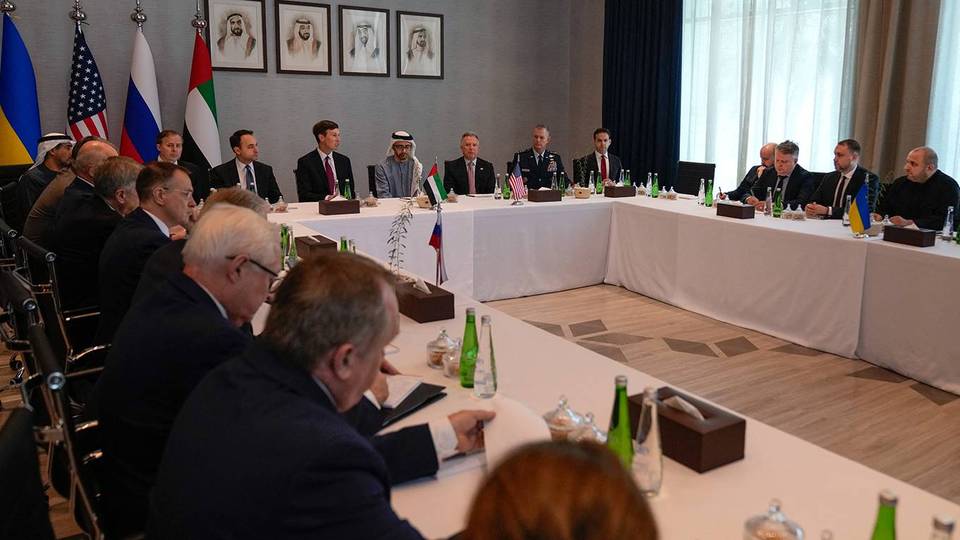
That context helps explain Russia’s recent negotiating posture. After signaling willingness earlier this month to participate in fresh discussions with Ukrainian and American representatives, Russian officials quickly broadened the agenda, pressing to include debate over the broader “European security order.” The timing was difficult to miss. With the war approaching five years, the most urgent priority for diplomacy is an end to the fighting—starting with a ceasefire. Introducing an expansive, abstract conversation about the architecture of European security functions as a delay tactic, shifting attention away from the immediate question of stopping Russia’s assault on Ukraine.
From Moscow’s perspective, reframing talks around security structures also serves a strategic purpose: it implies that Russia’s invasion is somehow the consequence of an unfair system rather than a deliberate choice by the Kremlin. But the existing order already contains the commitments needed to prevent war—commitments centered on territorial integrity, sovereign equality, and the idea that disputes are resolved through diplomacy rather than coercion. Russia itself accepted those basic rules in earlier undertakings. The issue, therefore, is not the absence of a workable framework; it is Russia’s refusal to abide by it.
European security arrangements have long been built on the expectation that governments can be deterred from conquest and constrained by norms. When those norms are breached, the response is meant to be firm: no acceptance of territorial seizures, no normalization of aggression, and no rewriting of rules under duress. If the international community entertains demands to renegotiate the security order in the middle of an ongoing invasion, it risks establishing a precedent that force can produce political gains—precisely what the system was designed to prevent.
That is why, instead of indulging Moscow’s attempt to widen the conversation, the focus of talks should remain narrow and practical. The immediate objective is a ceasefire and an end to attacks. The longer-term task is ensuring that any settlement reflects the principle that Ukraine’s borders and sovereignty are not bargaining chips. Europe does not need a new blueprint to understand what is at stake; it needs a Russia prepared to follow the rules it once agreed were essential to peace.
In other words, there may be many subjects negotiators can raise around a conference table, but only one that truly matters right now: ending the war, and reinforcing the norm that aggression is unacceptable—until Russia’s leadership is willing to live by that standard again.
Why it matters
If Russia succeeds in turning peace talks into a debate about rewriting Europe’s security rules, it could delay a ceasefire and weaken the principle that borders are inviolable. Ukraine, neighboring European states, and global markets watching geopolitical risk all have a stake in whether aggression is treated as negotiable. The next test is whether diplomats keep negotiations centered on stopping the fighting—or allow broader “security order” demands to redefine what outcomes are considered acceptable.