NASA is preparing to put a new tool for space robotics research into orbit—and is inviting a limited number of U.S.
NASA is preparing to put a new tool for space robotics research into orbit—and is inviting a limited number of U.S. scientists and engineers to help decide what it does once it gets there.
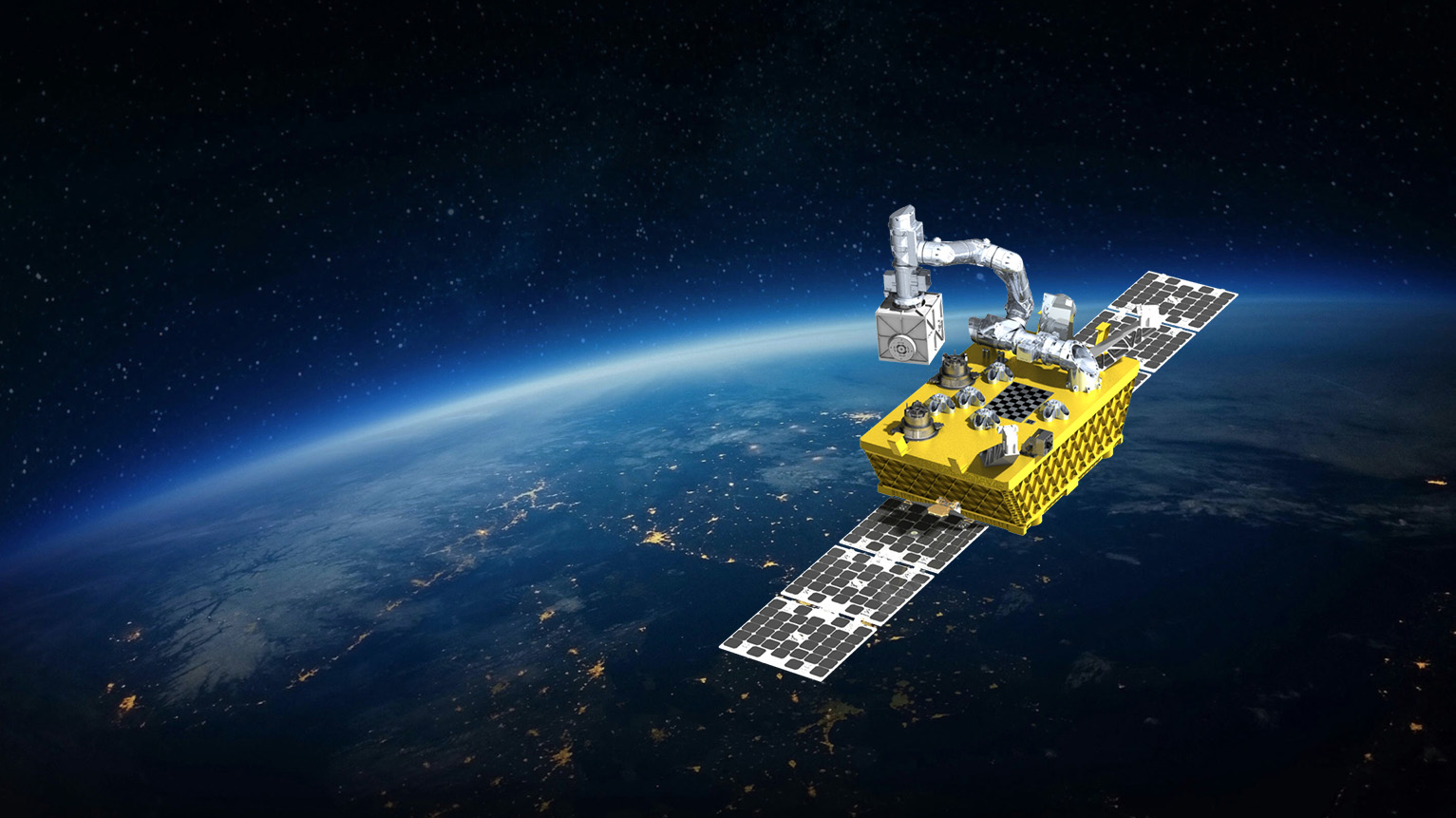
The agency’s Fly Foundational Robots (FFR) mission is slated to send a robotic arm to low Earth orbit. The arm is designed with seven degrees of freedom, giving it a range of motion comparable to a human arm and allowing it to perform complex manipulations in microgravity. Rather than keeping the hardware strictly for internal demonstrations, NASA is opening the system to outside experimentation through the NASA Space Roboticist Challenge.
Access will be granted to a select pool of U.S.-based researchers who can propose a strong experiment and demonstrate the ability to carry it out. NASA says it is looking for principal investigators, postdoctoral researchers, professors, and highly qualified graduate students. Participation requires documentation to confirm eligibility, which must be submitted during registration.
Once an applicant’s eligibility materials have been reviewed and approved, NASA will provide access to the Phase 1 submission portal, where teams can formally enter their experiment concepts for consideration. The challenge is structured as a competitive pathway to on-orbit testing: teams whose submissions successfully pass validation will be offered time to run their experiments on the robotic arm during the FFR mission.
The registration window for the NASA Space Roboticist Challenge remains open until September 23, 2026. Additional details, including registration information and submission requirements, are available at https://spaceroboticistchallenge.com/.