NASA has moved a step closer to growing food for astronauts beyond Earth, announcing a new collaboration with the Canadian Space Agency CSA and the German Aerospace…
NASA has moved a step closer to growing food for astronauts beyond Earth, announcing a new collaboration with the Canadian Space Agency (CSA) and the German Aerospace Center (DLR) aimed at developing crop-production systems suited for the Moon.
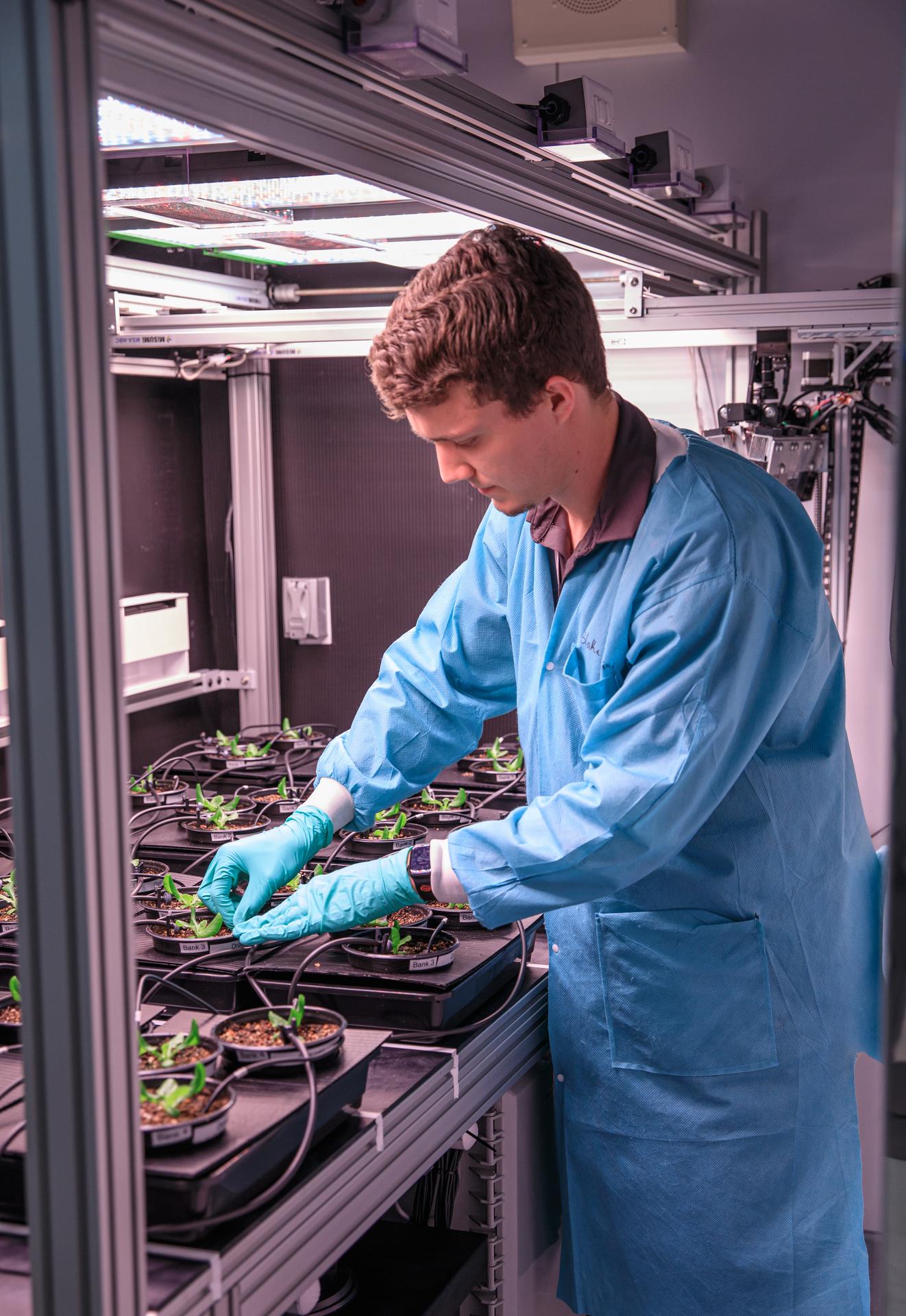
The three organizations have signed a joint statement of intent that launches coordinated preparatory work on an Earth-based demonstrator designed to test how plants could be cultivated under lunar mission conditions. The planned effort, known as the Lunar Agriculture Module–Ground Test Demonstrator, is intended to serve as a proving ground for the technologies required to raise “space crops” in tightly controlled habitats.
The project’s central goal is to refine and validate plant-growth systems that can function in atmospheres and environmental controls comparable to what astronauts are expected to rely on during operations at a future Moon Base. By conducting these trials on Earth first, the partners aim to better understand how candidate crops perform—and what engineering and life-support technologies must be in place—before attempting sustained agricultural production off-planet.
The initiative aligns with NASA’s broader Moon Base plans, through which the agency and its international partners intend to assemble the infrastructure needed for a long-term human presence in the vicinity of the Moon’s South Pole. Establishing durable capabilities there is expected to support scientific research and technology development while also serving as preparation for eventual human expeditions to Mars.
Reliable food production is a key challenge for long-duration missions, where resupply from Earth becomes difficult or impossible. Crops grown in space could provide crews with whole-food nutrition and expand meal options, helping address both dietary needs and quality of life on extended flights and surface stays.
Plants may also contribute directly to life-support functions inside a habitat. In addition to producing edible biomass, crops can take up carbon dioxide and release oxygen. They can also play a role in water recycling, supporting closed-loop systems that reduce the dependence on stored consumables. As human exploration pushes farther from Earth and mission timelines lengthen, these capabilities become increasingly valuable for sustaining crews safely and efficiently.