NASA and the U.S.
NASA and the U.S. Small Business Administration have unveiled a new effort aimed at channeling more private investment into the companies that make key hardware and develop technologies needed for future missions to the Moon and, ultimately, Mars.
Announced Monday, the SBIC–NASA Initiative is built around a Memorandum of Agreement that links NASA’s space-exploration priorities with the SBA’s long-running Small Business Investment Company (SBIC) Program. The goal is to expand access to growth capital for U.S. small businesses working across the space industry—particularly manufacturers of industrial components and other suppliers that underpin the nation’s aerospace supply chains.
Under the arrangement, NASA will take the lead in defining strategic technology areas and identifying gaps in the supply chain that could limit progress toward a sustained U.S. presence beyond low-Earth orbit. Those priorities will be communicated to investors through NASA’s newly established Office of Strategic Capital, which is designed to connect businesses and funding sources and to steer capital toward areas NASA considers essential for exploration.
The SBA, for its part, will use NASA’s guidance to recruit and license private investment funds under the SBIC framework. SBICs are privately managed funds that raise capital from investors and can receive SBA-backed leverage that matches the private money they bring in—an approach the agency says is intended to boost fund-level returns while expanding the pool of investable capital available to small firms.
A key requirement in the new initiative is focus: the SBA will seek investment funds that agree to direct at least 60% of their capital toward the technology and industrial areas identified by NASA. By increasing the amount of capital available to qualifying SBIC funds and aligning those investments with NASA’s stated needs, the agencies say the program will make it easier for smaller companies to scale production, deliver critical components, and strengthen domestic supply chains.
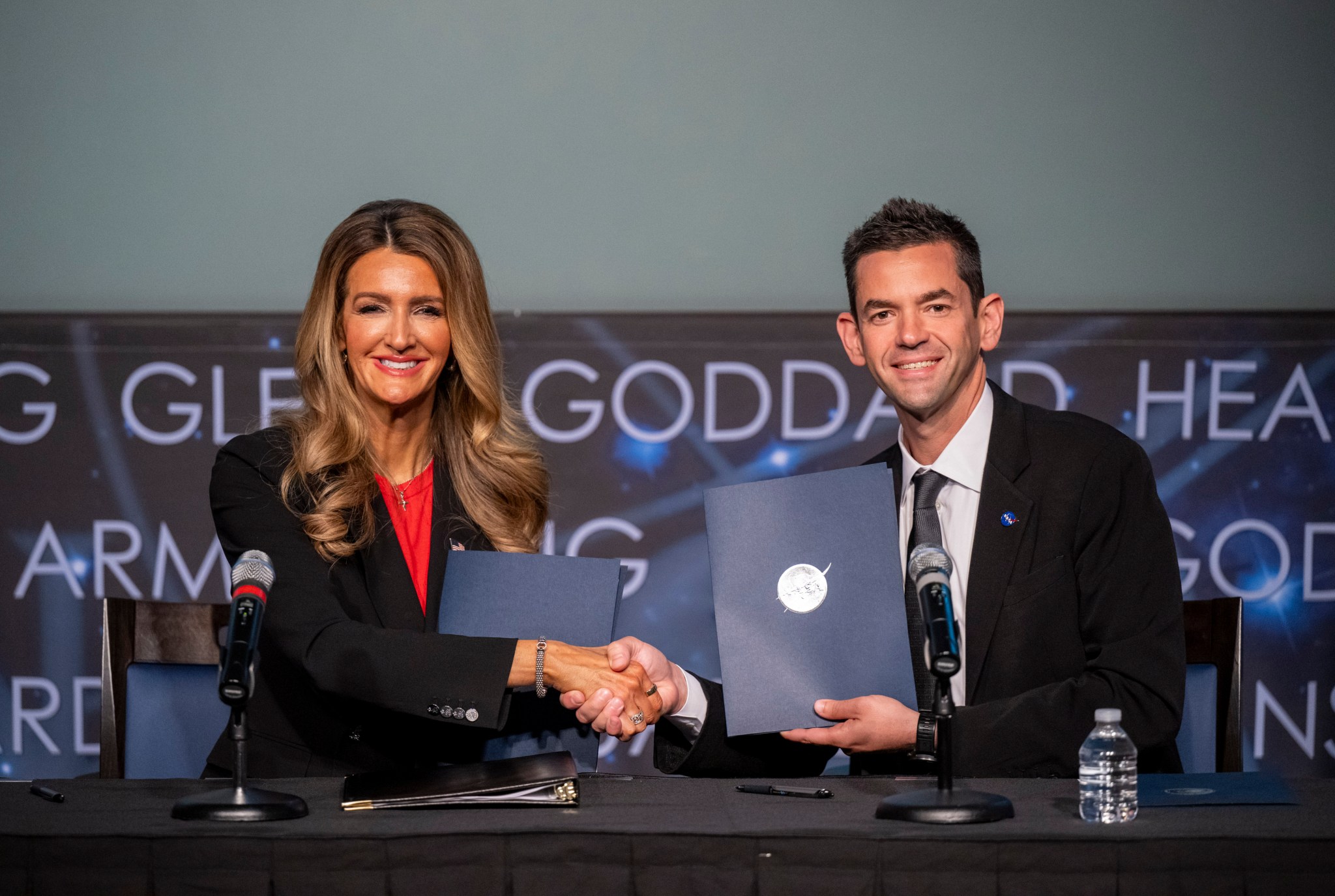
NASA Administrator Jared Isaacman framed the partnership as part of a broader push to ensure the industrial base can support faster-paced competition in space. In a statement, Isaacman said NASA needs a stronger manufacturing and technology backbone to meet the demands of what he called a new space race, adding that the Office of Strategic Capital and the SBA partnership are intended to help small businesses obtain funding to grow, reinforce key supply chains, and support U.S. leadership in the next phase of exploration.
SBA Administrator Kelly Loeffler similarly emphasized the role of private capital in achieving national objectives laid out in President Trump’s National Space Policy. Loeffler said the collaboration is designed to “supercharge” the industrial foundation of the U.S. space program by connecting innovators and manufacturers with the financing needed to expand, and by mobilizing private-sector investment in technologies viewed as strategically important.
Officials said the initiative is expected to concentrate funding into both space-industry sectors and upstream suppliers whose products and capabilities are considered vital not only to exploration goals but also to national and economic security.
Additional information about the SBIC–NASA Initiative and NASA’s Office of Strategic Capital is available through NASA headquarters media contacts Camille Gallo and Cheryl Warner.