Tariffs and tensions with Iran are driving up consumer prices and borrowing costs, fueling voter anger. The piece urges Congress to reclaim trade and war powers and disclose war costs.
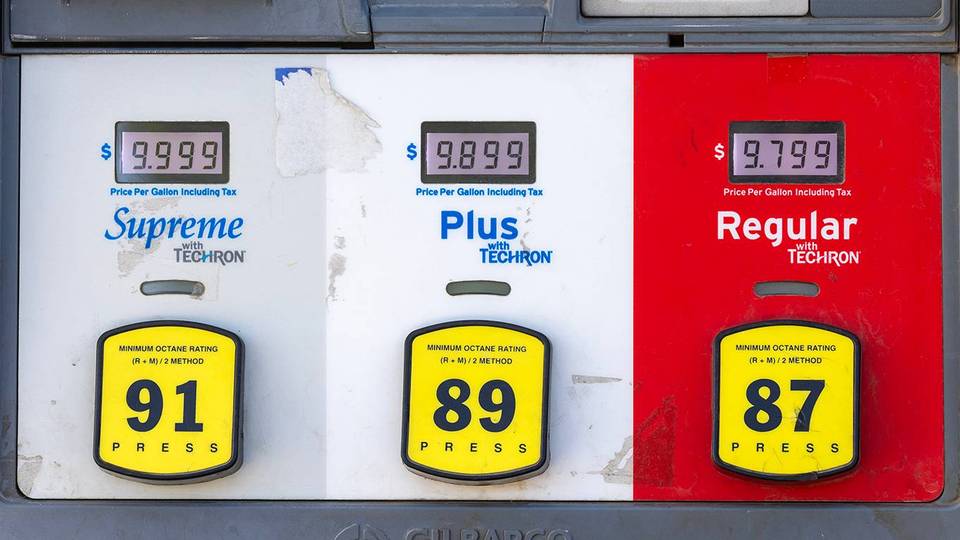
American consumers are increasingly absorbing the costs of two major Trump-era policies: aggressive tariffs and the escalating conflict with Iran. Those costs show up in the most immediate place voters feel them—at the checkout counter and on monthly bills—as higher prices for basic goods and rising borrowing expenses.
That economic strain has become a potent political force. Earlier this month, voters delivered the largest shift in congressional seats since the Watergate era, a level of electoral volatility that signals broad dissatisfaction with the direction of national policy. The reasons are not hard to identify, according to this argument: households believe they are paying more for everyday necessities, and they link that squeeze to decisions made in Washington.
At the center of the critique is the claim that tariffs function as a direct hit to household purchasing power. When the federal government imposes levies on imports, the added costs can be passed through supply chains and ultimately reflected in consumer prices. For families, the effect is not an abstract trade policy debate but a tangible increase in what it costs to maintain a standard of living.
Layered on top of that, the conflict with Iran is framed as another drain on the public’s finances, not only through government spending but also through broader economic spillovers. Military operations can require substantial public funding, and the expectation of prolonged conflict can increase uncertainty in markets—conditions that can influence borrowing costs for consumers and businesses. In this telling, Americans are not only paying through taxes today or in the future, but also through more expensive credit.
The article’s central proposal is that Congress has tools to intervene—if lawmakers are willing to use them. The Constitution gives the legislative branch authority in two critical areas implicated here: tariff policy and the decision to authorize military force. The argument is that Congress should “reclaim” these powers, rather than allowing the executive branch to drive major economic and security decisions without meaningful legislative constraint.
One avenue is trade. Congress can assert greater control over tariff-setting and limit the president’s ability to impose broad levies that ripple across the economy. Another is war powers. Lawmakers can strengthen oversight and reestablish clear requirements for authorization before the United States enters or expands armed conflict.
Beyond rebalancing authority, the article calls for a transparency measure aimed at preventing future conflicts from unfolding without an honest public reckoning. Specifically, it urges Congress to require a public accounting of what wars cost—creating a formal mechanism to estimate, disclose, and track the financial burdens associated with military engagements. The premise is that voters and taxpayers should not be asked to shoulder the costs of war without clear, accessible information about what those commitments entail.
Taken together, these steps are presented as a response to public frustration that has already manifested at the ballot box. If households are experiencing higher prices and higher borrowing costs, the argument goes, Congress has both the responsibility and the constitutional capacity to change the policy path that is driving those outcomes.
Why it matters
Tariffs and military action can translate into real financial pressure for families, making trade and war powers issues kitchen-table concerns rather than distant policy disputes. If Congress reasserts control and demands transparent accounting, it could curb unilateral decisions that affect prices and credit conditions. The next test will be whether lawmakers turn voter discontent into durable changes in how the United States sets tariffs and enters conflicts.