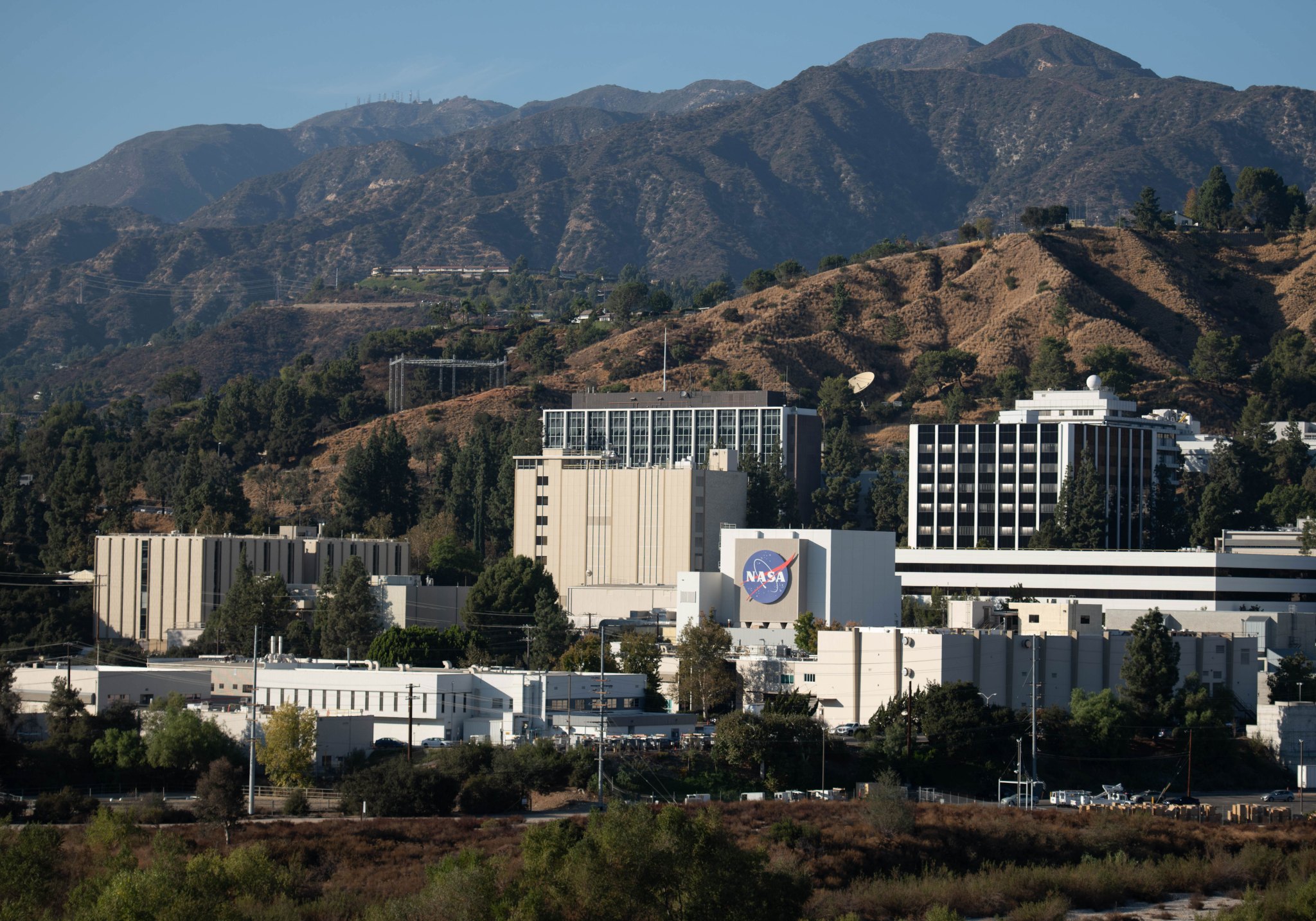
NASA says it will open the next management contract for the Jet Propulsion Laboratory to competition, a shift from decades of sole-source awards that have kept the…
NASA says it will open the next management contract for the Jet Propulsion Laboratory to competition, a shift from decades of sole-source awards that have kept the Southern California facility under the stewardship of the California Institute of Technology.
In an announcement Friday, the agency said it intends to seek competing bids for the contract covering management and operations of JPL, a federally funded research and development center (FFRDC). NASA framed the move as a step to reinforce accountability and ensure strong value for U.S. taxpayers.
Caltech has overseen JPL since the laboratory’s early days in the 1930s. After the facility was transferred from the U.S. Army to NASA in 1958, NASA’s management contracts have continued to be awarded directly to the university without competition. NASA now argues that the landscape has changed: the expanding U.S. space economy suggests there may be a sufficiently robust market for both the programmatic and institutional functions involved in running an FFRDC like JPL.
By conducting a full competition, NASA says it can compare different management approaches and determine whether alternative arrangements could improve mission execution, foster innovation, and reduce costs while increasing operational efficiency—goals the agency said align with federal requirements encouraging competition in government contracting. NASA also positioned the decision within a broader push across the federal government, and within the agency itself, to identify efficiencies, strengthen performance, and deliver mission outcomes more quickly and at lower cost.
“The Jet Propulsion Laboratory has delivered some of the most extraordinary scientific and engineering achievements in NASA’s history,” NASA Administrator Jared Isaacman said in a statement. He added that as the space sector evolves, NASA has an obligation to reassess how it works to “execute faster” and “operate more efficiently,” while continuing to produce “world-class science and engineering.” Isaacman said the decision reflects an emphasis on careful stewardship of taxpayer funds and is intended to set JPL up to continue producing major scientific discoveries and technological advances for decades.
NASA emphasized that the laboratory’s work remains central to the agency’s portfolio and said it plans to preserve continuity for current and upcoming missions during the procurement process. The agency also said it is committed to keeping JPL in its current physical location.
The approach mirrors practices elsewhere in the federal research enterprise, NASA noted. At the Department of Energy, for example, five of its 16 FFRDC management and operations contracts have been put through full and open competitions over the past decade.
NASA’s existing contract with Caltech began Oct. 1, 2018, and is scheduled to run through Sept. 30, 2028. If all options are exercised, the agreement could reach a maximum value of $30 billion. NASA said it has already started the steps required to compete the follow-on contract, arguing that beginning early will provide enough time for a thorough solicitation and award process without disrupting lab operations or active missions.