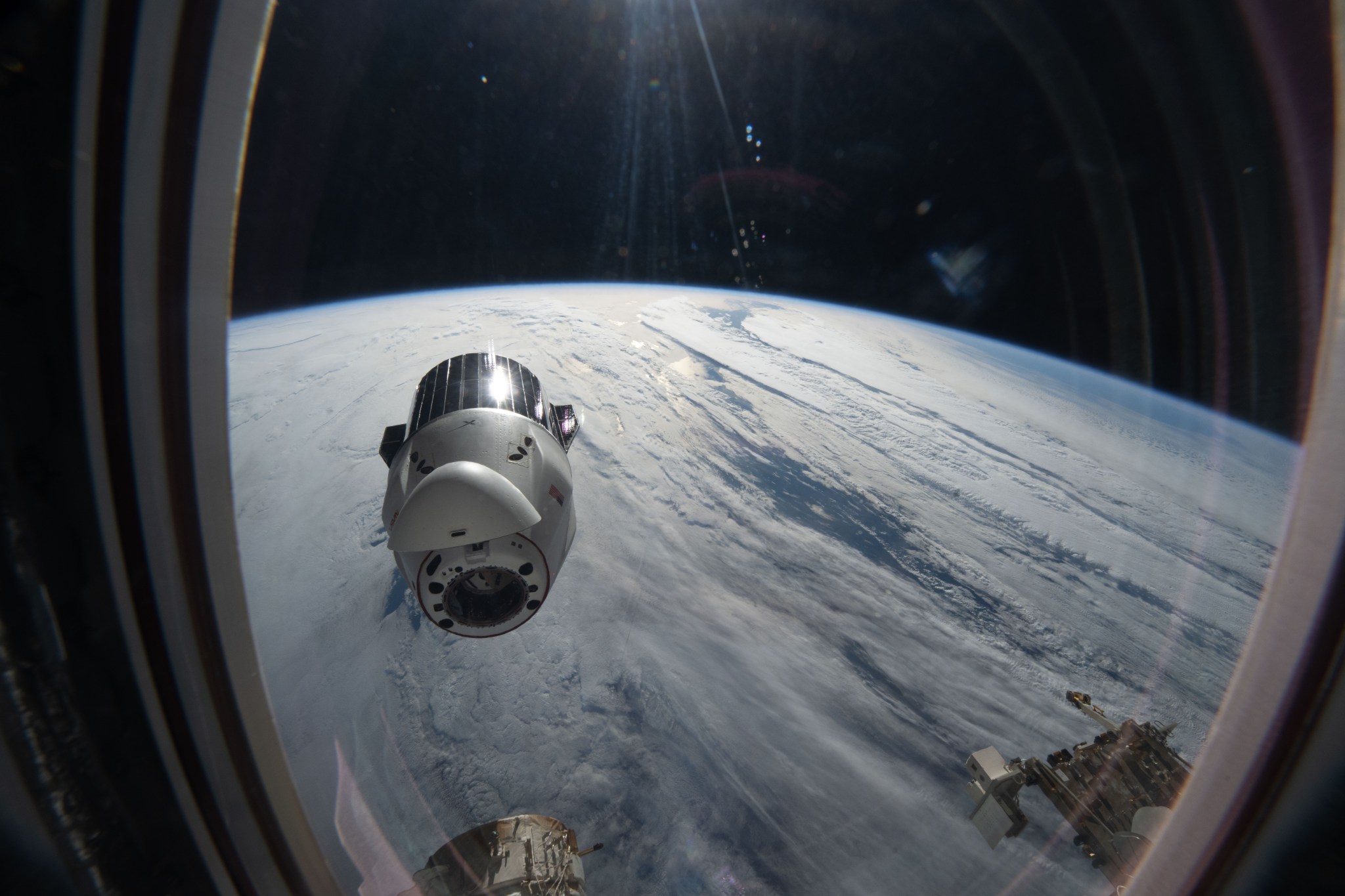
NASA and SpaceX are preparing to undock a Dragon cargo spacecraft from the ISS, returning research samples and station equipment to Earth for analysis.
NASA is preparing for the departure of a SpaceX Dragon cargo spacecraft from the International Space Station, a return trip that will bring research samples and equipment back to Earth for analysis. The undocking is scheduled for no earlier than Wednesday, Nov. 18, and will mark the end of SpaceX’s 35th Commercial Resupply Services mission for the agency.
If weather and operational conditions remain favorable, Dragon will separate from the space-facing port of the station’s Harmony module at 11:05 a.m. EST. The undocking sequence will be initiated by a command from SpaceX mission controllers at the company’s Hawthorne, California, facility. NASA plans to begin live coverage at 10:45 a.m. EST across its streaming platforms, providing real-time views and commentary as the spacecraft backs away from the orbiting laboratory.
After departure, NASA and SpaceX will continue tracking conditions at the planned recovery zone as teams aim for a Pacific Ocean splashdown off the coast of California. The earliest targeted splashdown time is 1:50 a.m. Thursday, Nov. 19 (10:50 p.m. PST on Nov. 18). Recovery planning remains sensitive to local weather and sea state, and officials say timelines may shift if conditions in the splashdown area require changes. While NASA will not broadcast the splashdown live, the agency will share updates through its space station blog.
The capsule’s return cargo includes thousands of pounds of station hardware and scientific materials, with several investigations focused on human health and biological adaptation in microgravity. Among the items coming home is a 3D bioprinted blood vessel construct used to examine vascular aging and cardiovascular disease both in space and in terrestrial settings. Also returning are frozen tumor organoids that were treated aboard the station, a line of research aimed at improving cancer therapies and advancing personalized medicine approaches. Another set of frozen microbial samples will allow scientists to study how antibiotic-resistant bacteria persist and evolve in the space environment.
Dragon is also carrying back a lighting system that has been tested on the station for more than three years. Researchers have been evaluating whether the system can help regulate sleep and support crew well-being—an issue that becomes increasingly important for long-duration missions.
The spacecraft arrived at the space station on Oct. 15 carrying more than 6,300 pounds of supplies for the crew, along with research investigations and equipment. It launched two days earlier atop a Falcon 9 rocket from Space Launch Complex 40 at Cape Canaveral Space Force Station in Florida.
NASA notes that the International Space Station has hosted uninterrupted human habitation and research for more than 26 years, enabling experiments that cannot be replicated on Earth. The agency says the orbital lab continues to inform strategies for keeping crews healthy in space, expand commercial activity in low Earth orbit, and support preparations for future missions beyond Earth—work tied to Artemis-era plans for the Moon and, ultimately, human exploration of Mars.
Why it matters
Returning experiments from the space station turns months of on-orbit work into data researchers can use to improve medical treatments and understand biological risks of deep-space travel. The cargo heading back—spanning bioprinting, cancer research, and microbial evolution—could influence both astronaut health planning and Earth-based medicine. With splashdown dependent on Pacific recovery conditions, the next key milestone is a safe landing and rapid handoff of time-sensitive samples to laboratories.